
Whether you’re planning a healthcare facility, workplace, education building or residential development, choosing the right architect is one of the most important decisions you’ll make. While many clients focus on design or fees, the decisions made before appointing an architect can have a lasting impact on programme, cost, quality and the overall success of a project.
At ACA, we’ve worked with clients across a wide range of sectors and have seen first-hand how avoiding a few common mistakes can save significant time, money and stress. Here are ten costly mistakes to avoid before appointing an architect.
1. Choosing Based on the Lowest Fee Instead of the Best Fit
It’s understandable to compare architectural fees, but selecting an architect purely because they offer the lowest price can often prove more expensive in the long run.
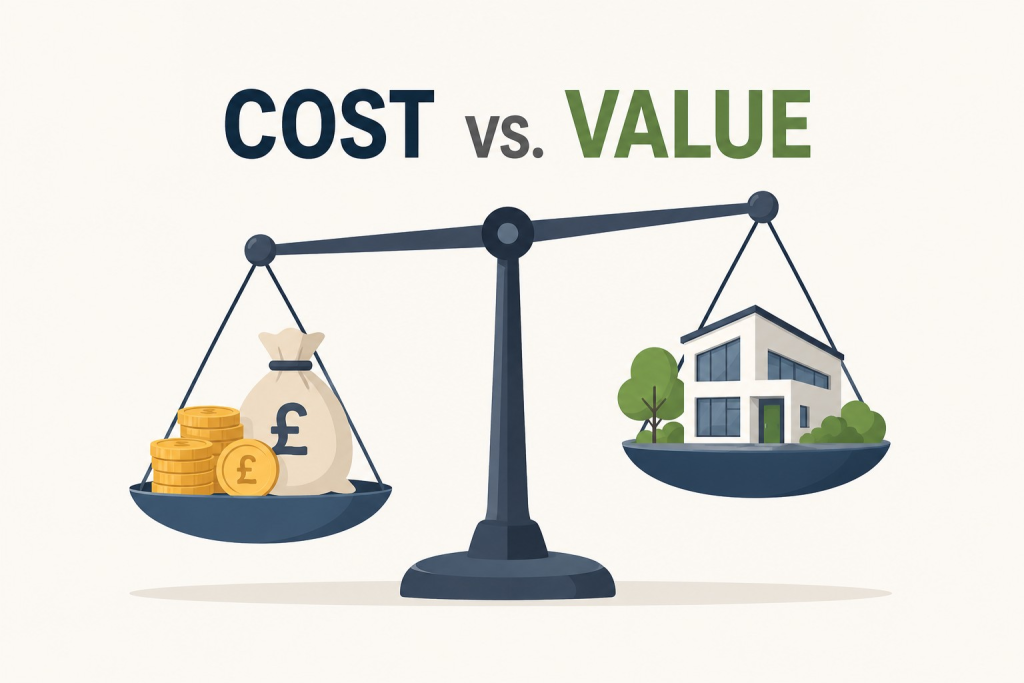
A lower fee may reflect a reduced scope of service, less experience or fewer resources dedicated to your project. An architect who fully understands your objectives, identifies risks early and delivers a well-coordinated design can save far more through reduced variations, efficient planning and better project outcomes.
Rather than asking, “Who is the cheapest?”, consider asking, “Who is best placed to deliver value for this project?”
2. Overlooking Sector Experience
Every building type comes with its own challenges. Designing a healthcare environment requires a different level of knowledge to designing a commercial office or educational facility.
An architect with experience in your sector will already understand the regulations, operational requirements, user needs and common pitfalls. This experience often leads to smoother planning applications, better design decisions and fewer costly revisions later in the project.
Choosing an architect with relevant sector expertise means you’re benefiting from lessons they’ve already learned on similar projects.
3. Appointing an Architect Too Late
Many clients wait until they’ve purchased a site, secured funding or already have a fixed concept before speaking with an architect.

In reality, involving an architect at the earliest possible stage allows opportunities to be identified before problems arise. Early involvement can help assess site constraints, test feasibility, establish realistic budgets, identify planning risks and develop the most effective design strategy.
The earlier your architect is involved, the greater influence they have over the success of the project.
4. Not Providing a Clear Budget
One of the biggest challenges architects face is designing without understanding the available budget.
Being open about your financial parameters doesn’t limit creativity, it helps shape realistic solutions from the beginning. A clearly defined budget enables better decisions about size, specification, materials and construction methods, reducing the likelihood of expensive redesigns later.
A successful project balances ambition with affordability from day one.
5. Assuming Planning Permission Is the Biggest Challenge
Many clients believe obtaining planning permission is the most difficult part of any project. While planning is important, it is only one stage in a much larger process.
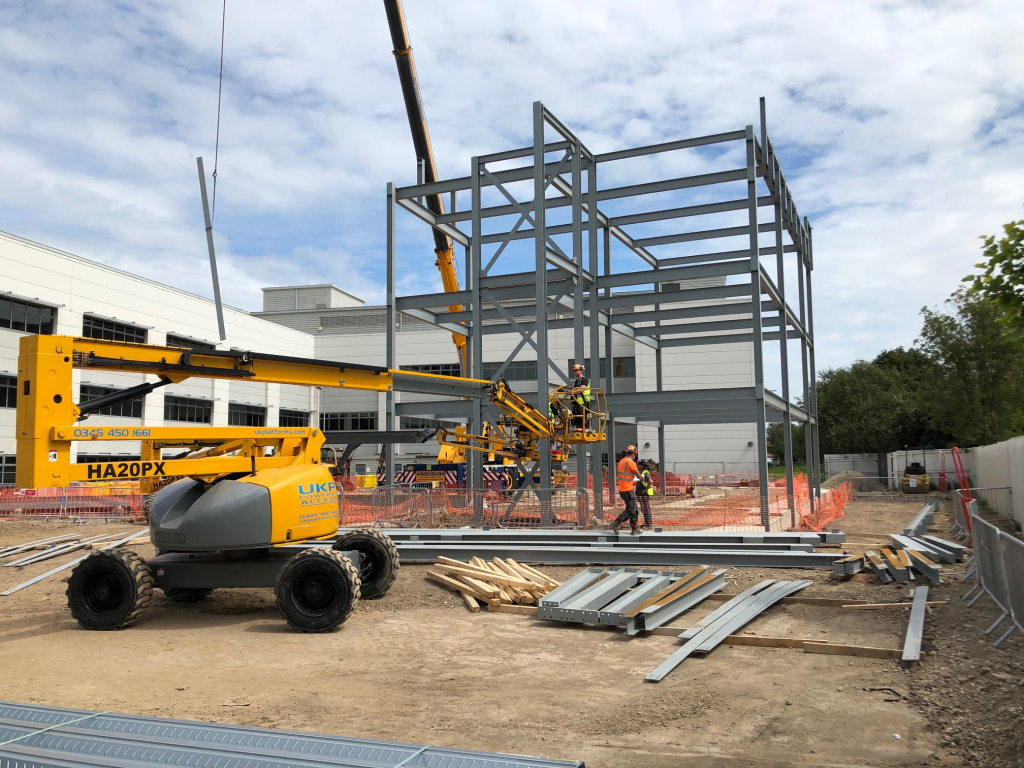
Building regulations, technical coordination, procurement, sustainability requirements, construction detailing, contract administration and project delivery all play equally significant roles in determining project success.
Focusing solely on planning can mean overlooking issues that become far more costly during construction.
6. Underestimating Stakeholder Engagement
Successful projects rarely involve just one decision-maker.
Whether working with NHS trusts, local authorities, school leadership teams, commercial businesses or community organisations, understanding stakeholder requirements early helps reduce conflict later.
Engaging with users, operators, neighbours and other stakeholders throughout the design process often leads to stronger designs, improved project support and fewer objections during planning and construction.
Good architecture is created through collaboration as much as creativity.
7. Forgetting About Long-Term Operational Costs
Construction cost is only one part of a building’s lifetime value.
A building that is cheaper to construct may become significantly more expensive to operate through higher energy consumption, increased maintenance or inefficient layouts.
Considering whole-life costs from the outset allows architects to recommend materials, systems and layouts that improve durability, reduce maintenance requirements and lower operational expenses for decades to come.
The cheapest building to build isn’t always the cheapest building to own.
8. Not Understanding the Architect’s Range of Services
Architectural practices don’t all offer the same level of service.
Some provide concept design only, while others support projects through planning, technical design, contract administration, site inspections and completion.
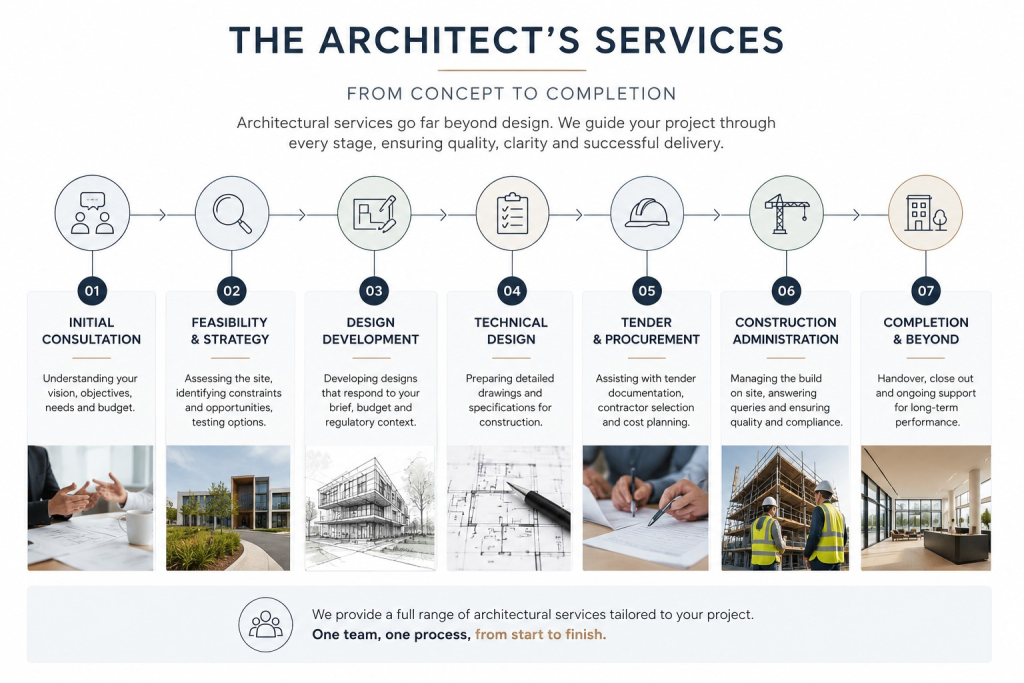
Before making an appointment, it’s important to understand exactly what services are included and whether they align with your project requirements. A practice that can support your project from inception to completion often provides greater continuity, clearer accountability and a smoother overall experience.
Understanding the scope of services helps avoid unexpected costs and gaps in responsibility later.
9. Starting Without a Clear Project Brief
Even the best architect cannot deliver the right solution without understanding what success looks like.
A well-prepared brief should outline your objectives, operational needs, priorities, budget, timescales and any future aspirations for the building.
It doesn’t need to answer every question, that’s part of the architect’s role, but having clear goals from the outset allows better decision-making throughout the project.
The clearer the brief, the more effective the design process becomes.
10. Overlooking the Importance of Clear Communication
Architecture is a collaborative process that often lasts many months and sometimes several years.
Choosing an architect who communicates clearly, listens carefully and explains complex information in an understandable way is just as important as their design ability.
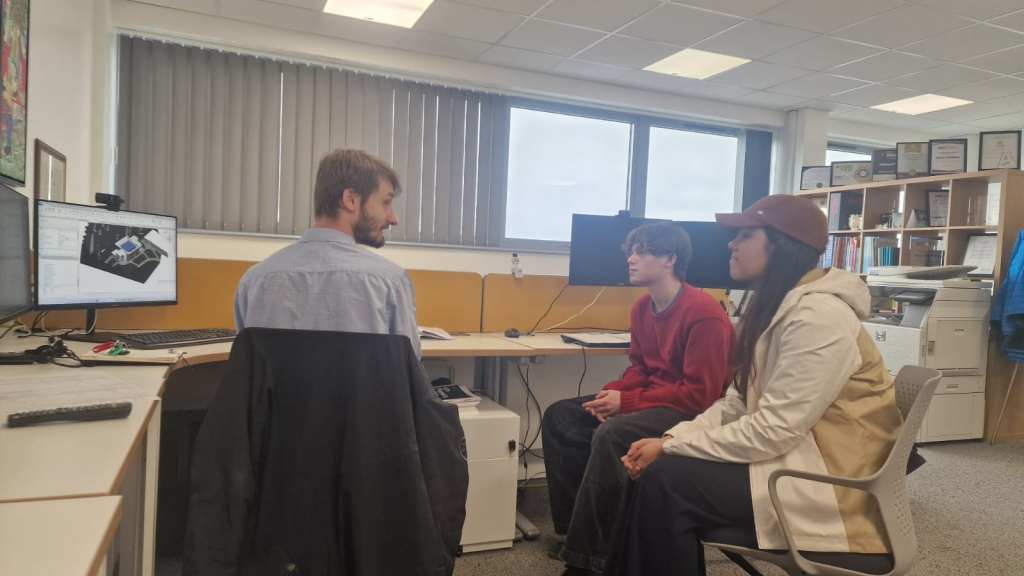
Regular communication helps manage expectations, identify issues early and ensures everyone remains aligned throughout the project.
A strong working relationship built on trust and transparency is often one of the biggest contributors to a successful project.
Choosing the Right Architect Makes All the Difference
Appointing an architect is about much more than comparing portfolios or fees. It’s about selecting a professional who understands your objectives, communicates effectively, manages risk and provides the expertise needed to guide your project from concept through to completion.
By avoiding these ten common mistakes, clients place themselves in a much stronger position to achieve successful, efficient and cost-effective outcomes.
At ACA, we believe every successful project starts with understanding our clients’ aspirations, challenges and long-term goals. By combining technical expertise with collaborative working, we help clients make informed decisions from the very beginning, creating buildings that deliver lasting value for the people who use them.
Keep up to date with ACA News!