
Recently, the ACA team took advantage of Heritage Open Day to visit Holderness House in Hull, a building that has become particularly special to us since ACA was appointed to help shape its next chapter.
Heritage Open Days provide a wonderful opportunity to experience historic buildings from a different perspective: to explore their architecture, discover details that can easily be overlooked and perhaps most importantly, hear the stories that have shaped them over the years.
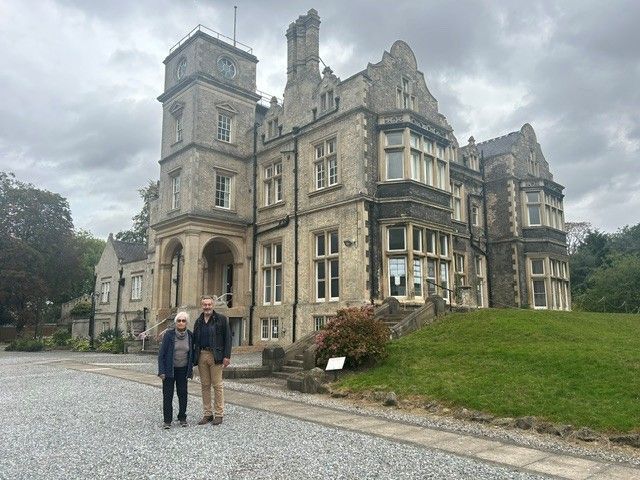
For us, the visit had an added significance.
As architects now involved in the future of Holderness House, it was an opportunity to spend time in the building away from drawings, surveys and project meetings and simply experience it as generations of people before us have done.
Understanding the Character of Holderness House
Historic buildings are about far more than their physical fabric. Their value lies in the relationship between architecture, place, memory and the communities that have grown around them.
Walking through Holderness House and hearing more about its history reinforced the importance of understanding those qualities as proposals for its future develop.

ACA’s approach is centred on respecting the character and heritage of the existing building while considering how it can continue to evolve and remain relevant, useful and valued for future generations.
For Alex Caruso, the visit also provided another opportunity to look closely at the building through an architect’s eyes; observing its proportions, materials, architectural details and the way its spaces have changed and adapted over time.
Architecture, History – and a Little Italian
We also made the visit a family occasion, taking Alex’s mum, who was visiting us from Sicily, along for the experience.
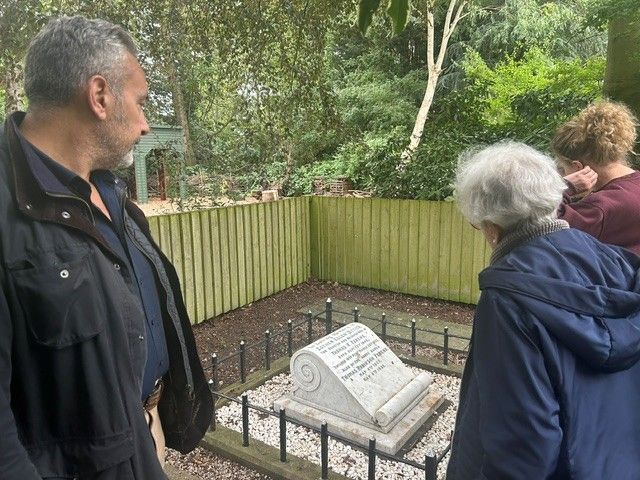
Inevitably, this meant plenty of conversation about architecture, history and heritage in both English and Italian as we explored the building!
It was a lovely reminder that appreciation of historic architecture crosses cultures and generations and that buildings often provide a tangible connection between people, places and their shared histories.
Protecting Heritage While Planning for the Future
Working with an important historic building brings both responsibility and opportunity.
Successful conservation is not simply about preserving a building exactly as it is. It is about understanding what makes it significant and ensuring that future interventions respect those qualities while allowing the building to continue to serve the people who use it.
For ACA, that means approaching Holderness House with sensitivity: understanding its heritage and architectural character, listening to the aspirations of Holderness House Trust and exploring how thoughtful design can support its long-term future.
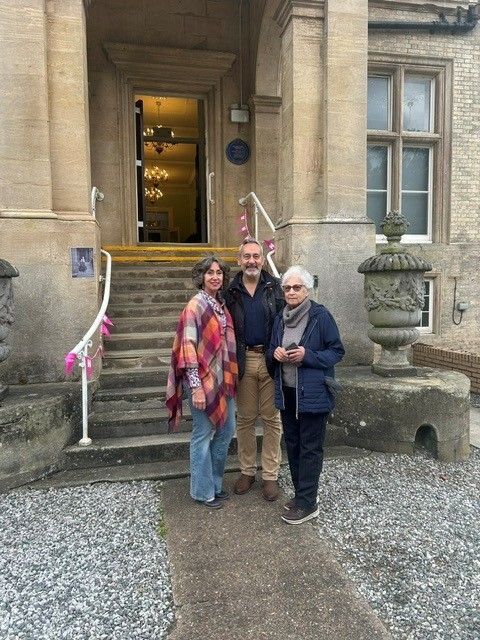
Our Heritage Open Day visit was therefore much more than an enjoyable Saturday afternoon. It was a reminder of what a privilege it is to work with a building that means so much to its local community.
Holderness House already has a rich story. We are delighted that ACA now has the opportunity to play a small part in helping to write its next chapter.
Exciting times lie ahead for Holderness House Trust, and we look forward to sharing more as the project develops.
Keep up to date with ACA News!
Frequently Asked Questions
What makes a successful community building?
A successful community building responds to the needs of people who use it and creates a welcoming, accessible and flexible environment. Good community design considers how spaces can support different activities, encourage social interaction and adapt as community needs change over time.
How do community buildings support wellbeing?
Wellbeing in community buildings can be supported by providing welcoming places where people can meet, participate in activities, access services and feel connected to others. Natural light, accessibility, comfortable spaces and opportunities for social interaction can all contribute to positive physical and mental wellbeing.
What should be considered when designing community hubs?
They should be designed considering the needs of the people and organisations that will use them. Alongside the character of the existing building and its relationship with the surrounding community accessibility, flexibility, circulation, sustainability, wellbeing and the ability to accommodate different activities should all be considered.
How does ACA incorporate wellbeing into its design?
ACA places wellbeing at the heart of every project by carefully considering how people experience buildings throughout their daily lives. We focus on creating spaces that are welcoming, accessible, naturally lit and adaptable to help improve comfort, wellbeing and long-term value whether designing healthcare facilities, schools, workplaces or community buildings.
Related Resources
– ACA Secures Prestigious Healthcare Estates Awards 2026 Shortlisting
– £3.5m Enderby Medical Centre Secured Unanimous Planning Approval
– Alessandro Caruso Shares Powerful New Thinking on Nature, Health and Architecture
– Design in Mental Health Awards 2026: ACA Celebrate “Highly Commended” Recognition