An inclusive supported-living development designed to promote independence, rehabilitation and meaningful connection with the wider Hull community.
Project Summary
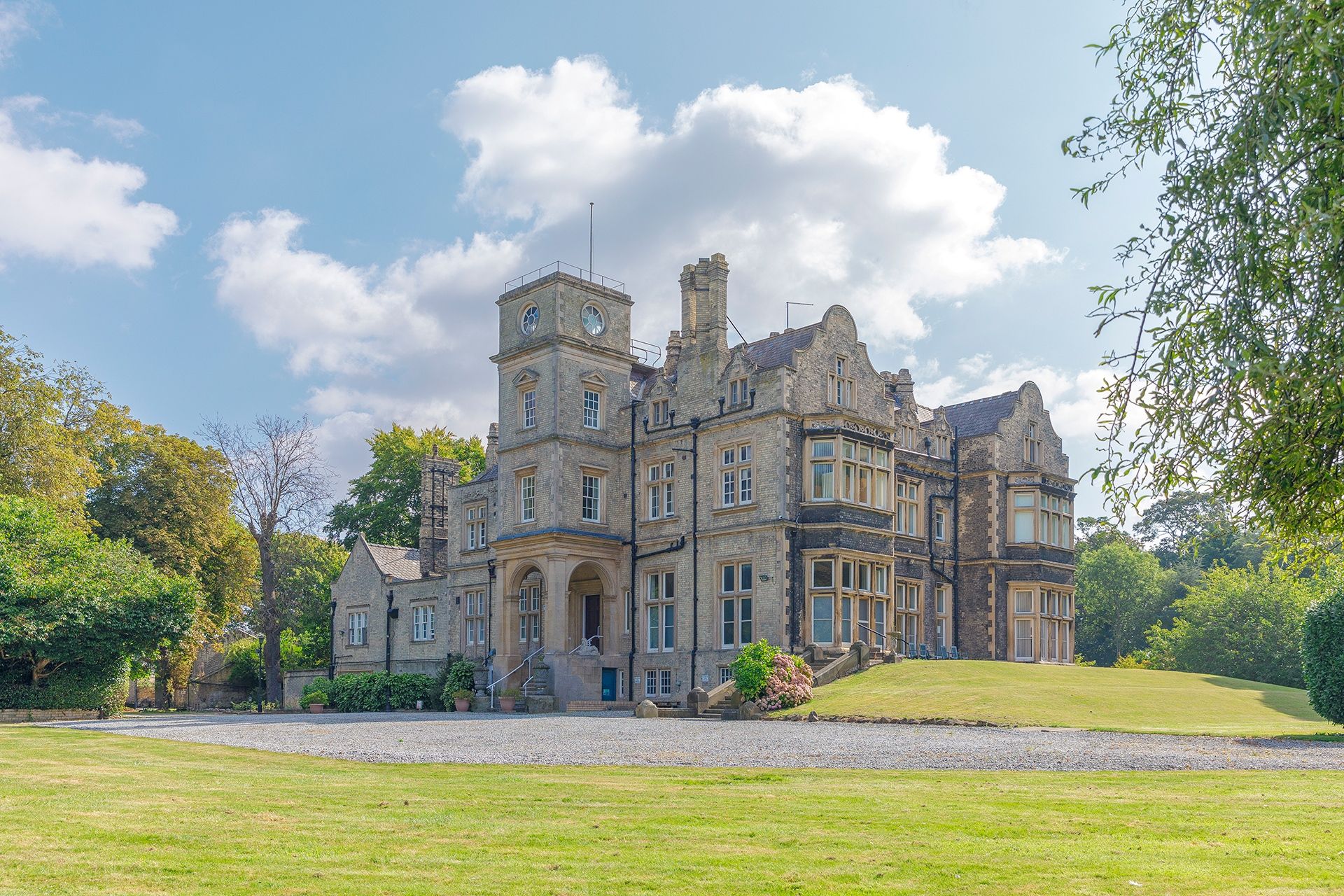
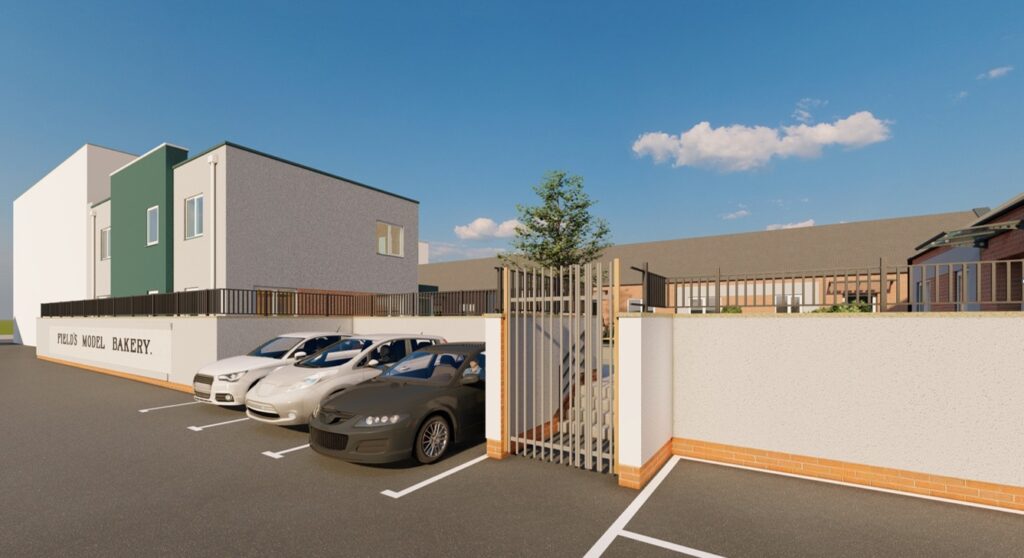
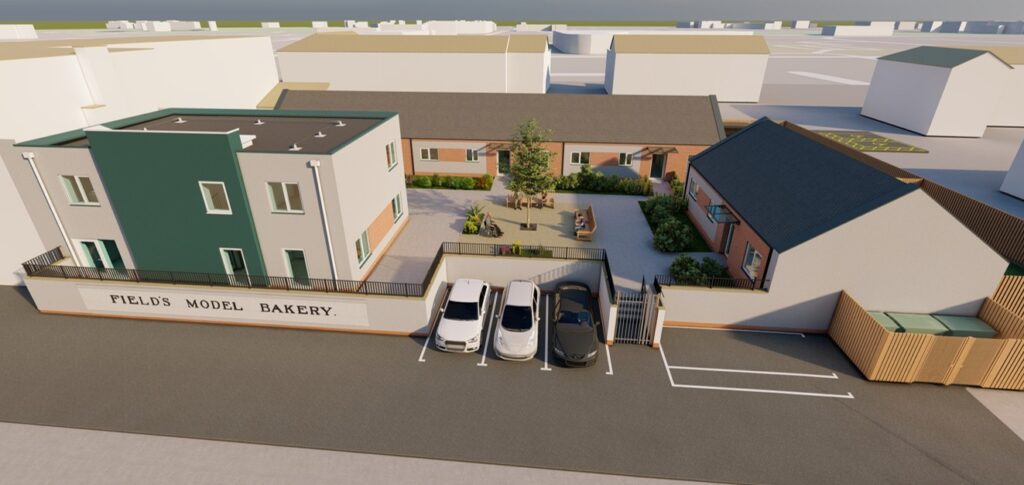
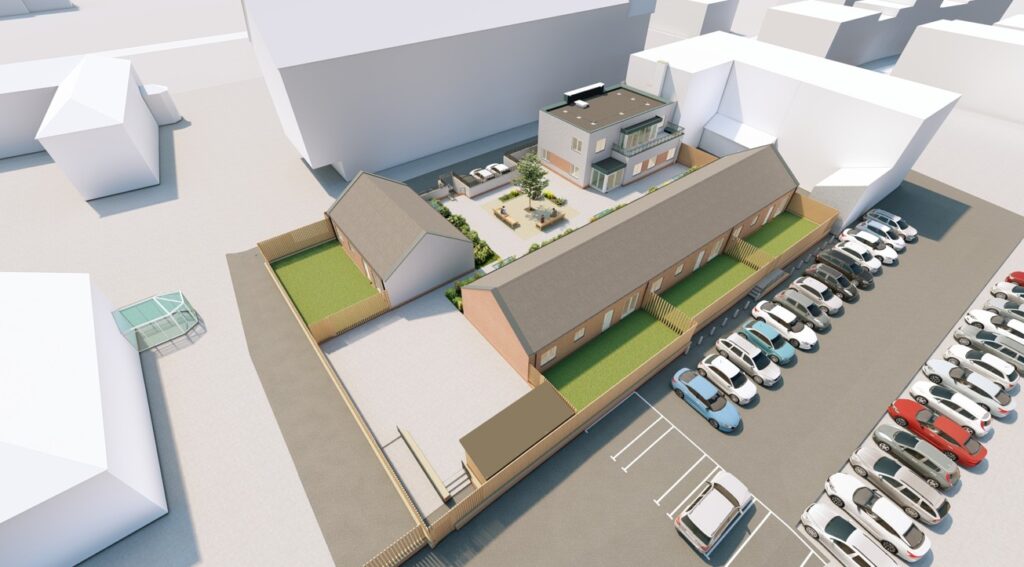
HEY Mind appointed ACA to design a high-quality supported-living development within the grounds of Wellington House in Hull. The proposals provide four self-contained apartments for adults living with mental health conditions, learning disabilities or autism, alongside additional care-support accommodation. Three apartments are integrated into a terraced bungalow, with a fourth provided in a separate bungalow. A new two-storey building adjoining the rear of Wellington House accommodates administration, staff and communal facilities. The development is designed to support independence while giving residents access to shared space, professional support and opportunities for community integration. Accessible local shops, bus routes and employment opportunities strengthen the site’s suitability. Low-maintenance soft landscaping contributes to a welcoming domestic environment and supports the everyday function of the buildings.
The Challenge
The principal challenge was to create specialist accommodation that feels safe without becoming institutional. Residents may have different physical, sensory, cognitive and emotional needs, so the environment must support independence, dignity and choice while enabling appropriate care.
New accommodation must integrate with Wellington House. Private homes, shared facilities, staff areas and administration spaces need to work together while maintaining boundaries between domestic life and service operations. The development must also help residents connect with amenities, transport, employment and the wider community.
Our Design Response
ACA developed a small supported-living community organised around private apartments, shared facilities and external space. Its domestic scale helps residents experience the development as a home rather than a clinical facility.
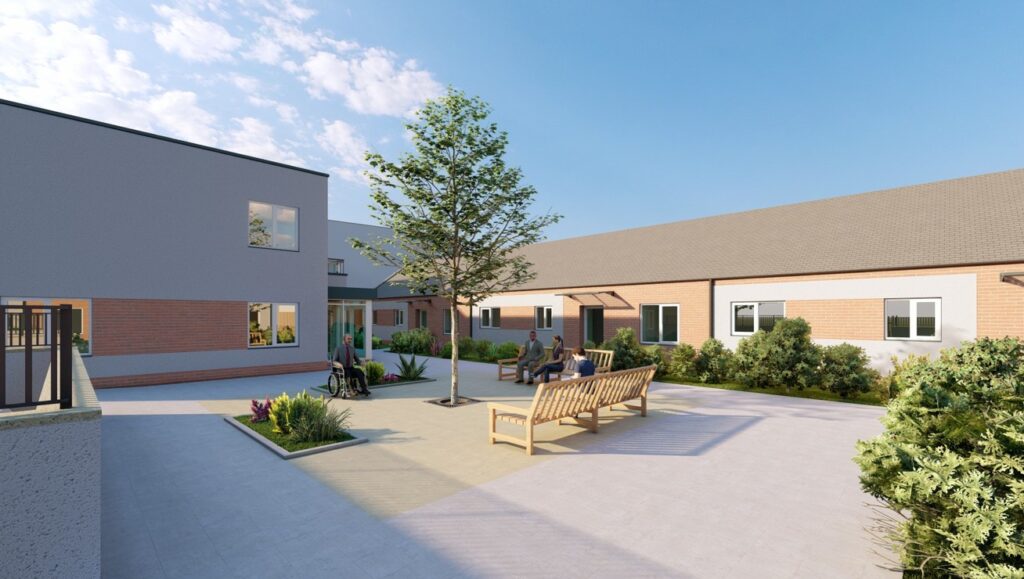
Three apartments are arranged within a terraced bungalow and a fourth occupies a separate bungalow. Together, they provide four homes plus bedroom accommodation for care support, combining autonomy with access to assistance.
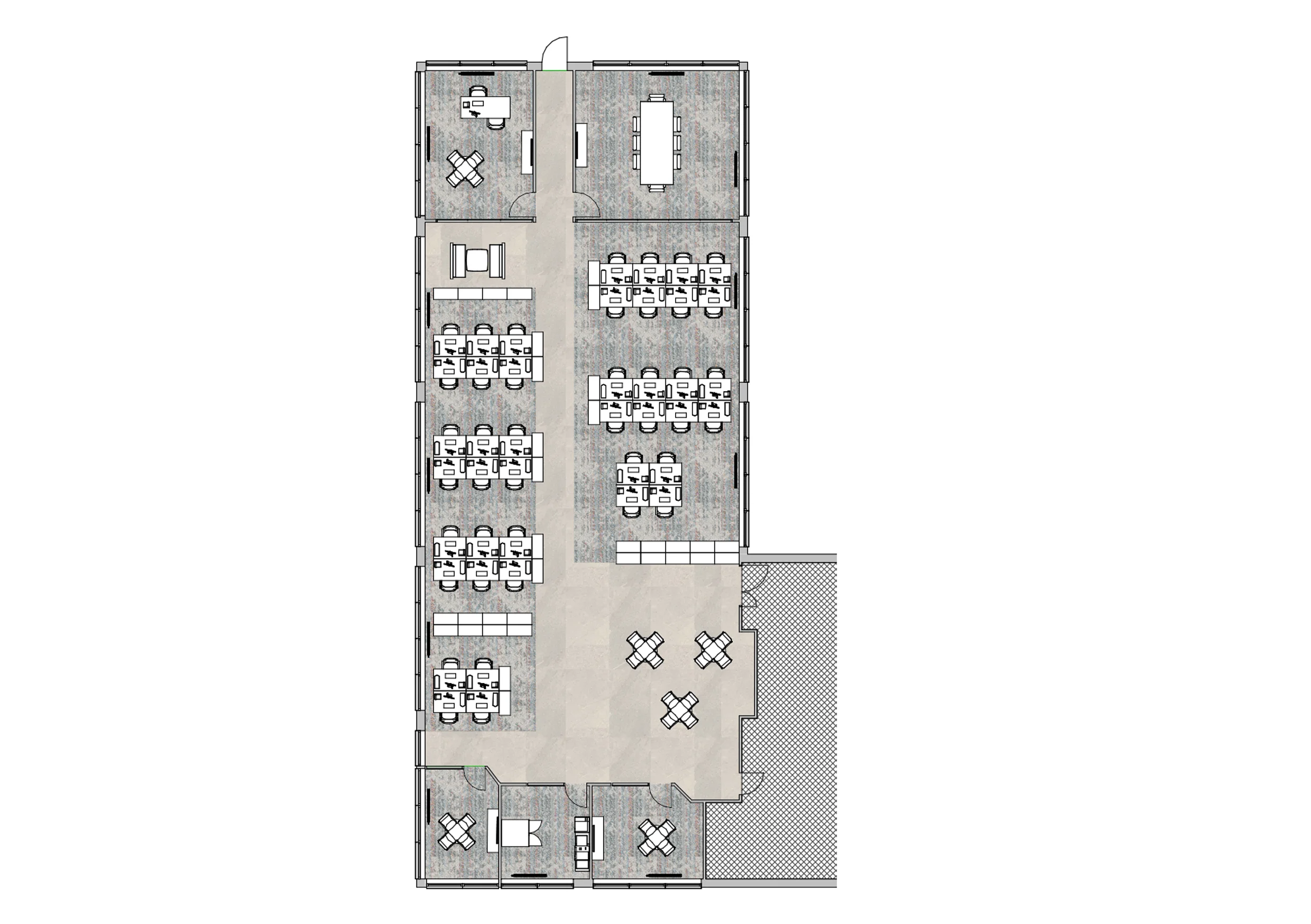
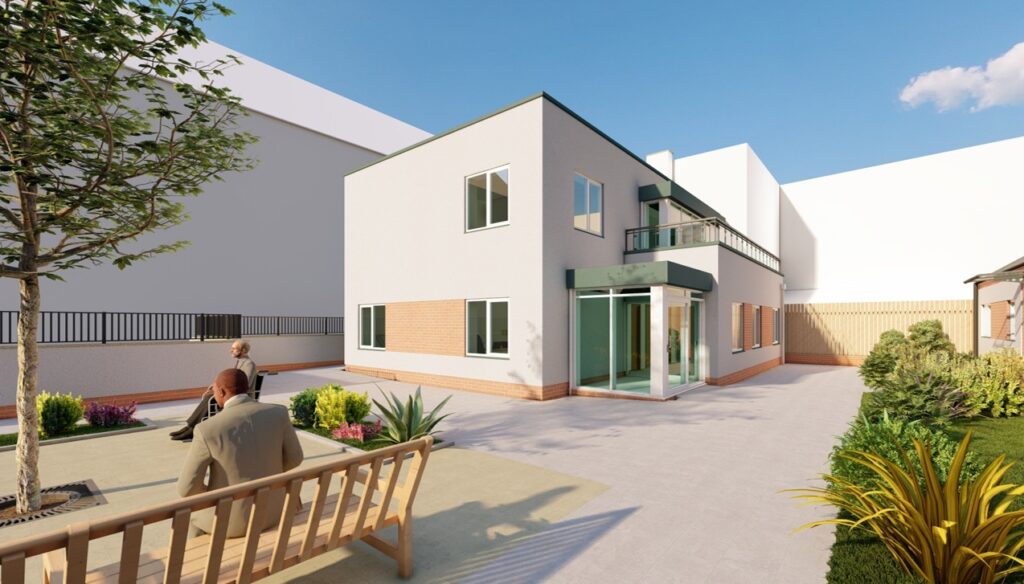
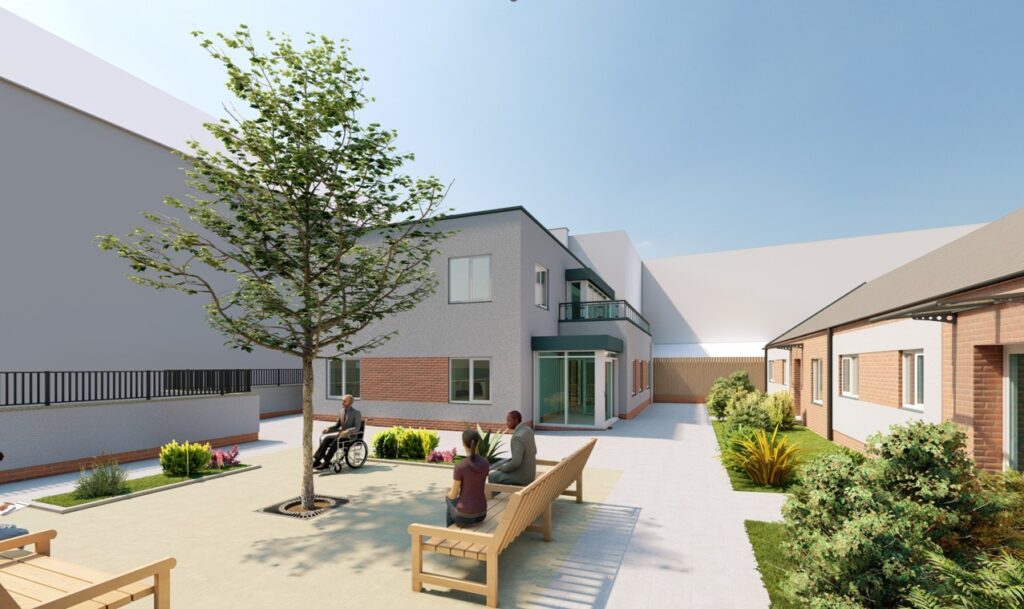
A new two-storey building behind Wellington House provides administration, communal and staff facilities. This supports efficient service delivery while allowing the homes to retain a quieter character. A central shared area provides opportunities for activities and social contact without removing residents’ choice to withdraw to their apartment.
The site’s proximity to shops, bus routes and employment opportunities can help residents develop everyday skills and participate in the local area. Clear routes between homes, shared spaces and the neighbourhood support this strategy.
Low-maintenance landscaping defines different areas and creates a welcoming setting. Planting can add seasonal interest, soften views and support privacy while remaining practical to manage. It also allows residents to spend time outdoors and connect with nature.
Project Gallery

Key Design Features
– Four self-contained supported-living apartments.
– Three apartments integrated into a terraced bungalow.
– One apartment provided within a separate bungalow.
– Additional bedroom accommodation for care support.
– Two-storey administration and communal building adjoining Wellington House.
– Central shared area supporting activities and social interaction.
– Domestic-scale design intended to avoid an institutional atmosphere.
– Clear balance between independence, privacy and access to support.
– Low-maintenance soft landscaping integrated with the building layout.
– Accessible connections to shops, public transport and employment opportunities.
– Development anticipated to support approximately 20 full-time-equivalent jobs.
Project Outcomes
The development aims to provide high-quality homes supporting independence, rehabilitation and everyday choice. Private accommodation, shared facilities and care support would allow residents to participate in communal life at a level appropriate to them.
The location should improve access to services, transport and employment, supporting community participation. New staff, administration and communal accommodation would strengthen coordinated support and is anticipated to create approximately 20 full-time-equivalent roles.
As the project is at planning stage, these outcomes remain anticipated and subject to further design development, statutory approval, funding and delivery.
Frequently Asked Questions
What design features support independent living?
Accessible layouts, clear circulation, appropriate storage, private outdoor space, adaptable kitchens and bathrooms, good lighting and intuitive controls are all features which can help support independent living. Residents should be able to manage everyday tasks safely while having discreet access to support when needed.
How can buildings support people with autism?
Autism-inclusive design considers sensory comfort, predictability and personal control. To reduce sensory overload design features such as clear layouts, calm material palettes, manageable acoustics, consistent lighting and spaces offering different levels of privacy can be used. Design should always respond to the needs and preferences of the individual residents.
What is person-centred design?
Person-centred care design places the needs, dignity, comfort and experiences of the people using a healthcare environment at the centre of the design process. It involves listening to patients, families and staff and using their insights to create spaces that are inclusive, accessible and responsive to different physical, sensory and emotional needs.
What is sensory design?
People experience buildings through sight, sound, touch and movement. Sensory design considers elements such as colour, texture, lighting, acoustics and spatial transitions to create environments that are easier to understand and more comfortable to use. This can be particularly valuable in healthcare and inclusive settings where people may have different sensory or cognitive needs.
Related Resources
– Tigers Trust Community Sports Campus, Hull