
Artificial Intelligence (AI) is rapidly reshaping creative industries and architecture is no exception. From generating concept imagery to exploring spatial arrangements, AI tools are becoming increasingly accessible and impressive. But while the technology offers exciting opportunities, it also raises an important question: can Artificial Intelligence ever replace the role of an architect?
At ACA, we believe the answer is clear, Artificial Intelligence can enhance the design process, but cannot replace the depth of knowledge, responsibility and contextual understanding that architects bring to a project.
The Promise of AI in Design
Artificial Intelligence excels in the early stages of architectural thinking. It can quickly produce visual concepts, test stylistic ideas and generate variations that might take hours or days to explore manually. For clients, this can be a powerful way to visualise possibilities and spark conversations.

As a tool for inspiration, it has genuine value: encouraging creativity, helping overcome design blocks and can broaden the range of ideas considered at the outset of a project.
The Reality Behind the Image
However, architecture is far more than producing compelling images. A successful building must respond to a complex web of constraints, technical, environmental, regulatory and financial.
AI-generated designs often exist in isolation. They may not consider:
– Structural feasibility
– Building regulations and planning policy
– Site-specific constraints and context
– Material performance and availability
– Cost and budget limitations
A visually striking concept is only the beginning. Without the technical knowledge to translate an idea into a buildable solution, the design remains purely theoretical.
Planning, Practicality and Context
One of the most significant limitations of Artificial Intelligence is its lack of true contextual understanding. Every project sits within a unique physical, cultural and regulatory environment. Local planning authorities will ask critical questions:
– How does the design respond to its surroundings?
– Does it respect local character and scale?
– What is its impact on neighbours and the wider community?
Artificial Intelligence cannot fully interpret these nuances. It does not engage with stakeholders, navigate planning processes, or adapt designs based on evolving feedback. Architects, on the other hand, act as mediators, balancing vision with practicality and ensuring proposals are both ambitious and appropriate.
Designing for Construction, Not Just Aesthetics
A key challenge with AI-generated architecture is buildability. Designs must work in the real world, not just on screen. This involves detailed coordination of structure, materials and construction methods.
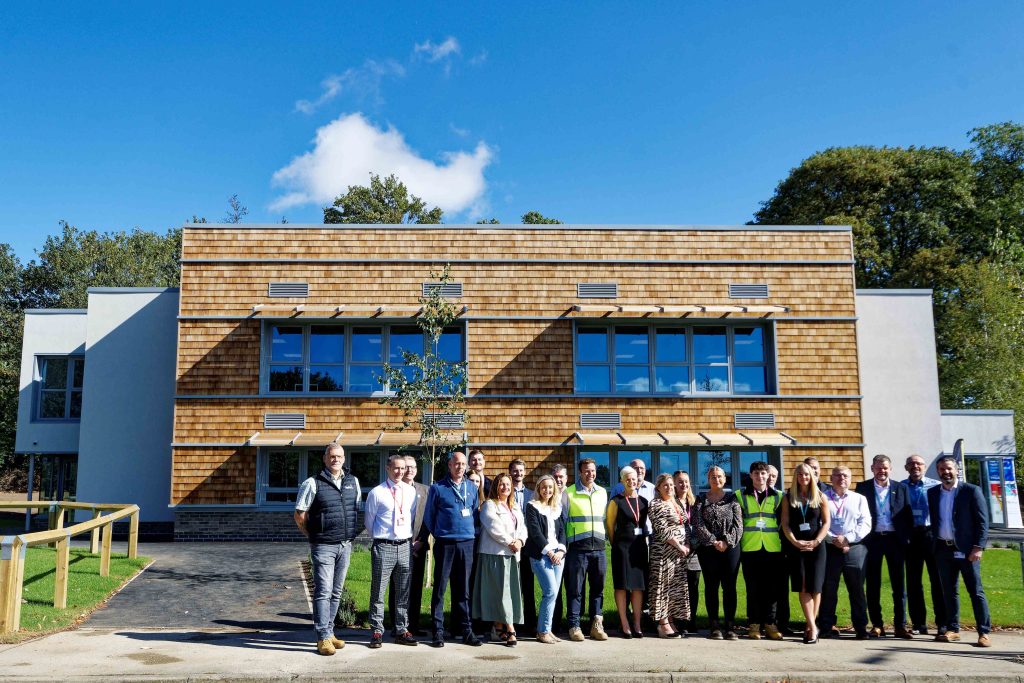
Architects consider:
– How a building will be constructed step-by-step
– How materials behave and perform over time
– How different systems integrate seamlessly
AI may suggest forms that are visually compelling but impractical, inefficient, or prohibitively expensive to build.
Cost, Materials, and Responsibility
Budget is a fundamental driver of any project. Material choices, construction techniques and design decisions all carry financial implications.
Artificial Intelligence does not inherently account for:
– Material costs and supply chains
– Labour and construction complexity
– Long-term maintenance and lifecycle costs
Architects play a critical role in aligning design ambition with financial reality, ensuring projects are not only inspiring but deliverable.
Why Architects Remain Essential
Ultimately, architecture is about more than generating ideas, it is about delivering places that work, endure and enhance people’s lives.

Architects bring:
– Professional accountability
– Technical expertise
– Contextual and cultural awareness
– The ability to coordinate complex teams
– A responsibility to clients, communities, and the built environment
Artificial Intelligence can support creativity, but it cannot replace judgement, experience or responsibility.
Examples of AI in Practice

A growing number of Artificial Intelligence platforms are now being used within the design process, including tools such as ChatGPT, Microsoft Copilot, and Google Gemini. These tools can support early-stage thinking by generating design ideas, assisting with written briefs, or helping to explore different approaches quickly. While they are powerful in generating content and sparking creativity, their outputs still require careful interpretation, technical validation and contextual understanding, areas where the expertise of an architect remains essential.
A Tool, Not a Replacement
At ACA, we see Artificial Intelligence as a valuable addition to the design toolkit, one that can enhance early-stage thinking and open up new possibilities. But it must be used critically and responsibly.
The future of architecture is not AI versus architects. It is architects using it intelligently, combining innovation with expertise to deliver thoughtful, buildable and contextually responsive design.
Because in the end, great architecture isn’t just imagined, it’s realised.
Keep up to date with ACA News!
Frequently Asked Questions
Can artificial intelligence replace architects?
No. AI cannot replace the professional judgment, technical expertise and accountability of a qualified architect as it can only generate concepts, visualisations and assist with early-stage design ideas. Successful architecture requires an understanding of planning policy, Building Regulations, construction methods, client needs and site-specific changes. While AI is a valuable tool, it cannot take responsibility for delivering safe, buildable and contextually appropriate buildings.
What does an architect actually do?
An architect’s role is not just to produce drawings. They can help guide projects from concept through to completion by advising on feasibility studies, planning applications, technical design, consultant coordination, Building Regulations, tender documentation, contract administration and site inspections.
Why hire an architect?
An architect combines creativity, technical knowledge and practical experience to deliver buildings that are functional, compliant and tailored to the client’s needs. Architects coordinate consultants, manage technical information, navigate planning and Building Regulations and help reduce risks throughout the project even after the design is fully developed. With their expertise, ideas are transformed into Buildings that can be successfully delivered.
Can AI help architects design better buildings?
Yes, AI can support architects by generating ideas, exploring design options, analysing information and improving efficiency during the early stages of a project. However, rather than a replacement for professional expertise, AI should be viewed as a design tool. Architects remain responsible for applying technical knowledge, understanding context, coordinating consultants and ensuring designs can be safely and successfully constructed.
What makes ACA different?
ACA combines creative thinking with technical expertise and a strong focus on wellbeing, sustainability and practical delivery. We always apply professional judgement, experience and collaboration to ensure every project is buildable, compliant and designed around the people who use it whilst embracing innovative tools, including artificial intelligence where appropriate.
What is ACA’s design philosophy?
At ACA we believe architecture should improve people’s everyday lives. Our philosophy has not only been shaped by decades of professional experience but also by first-hand experience of how poorly designed environments can affect comfort, wellbeing and recovery which has reinforced our belief that great architecture should always be designed around the needs of the people who use it. By combining technical expertise with thoughtful design, we create buildings that are functional, sustainable and genuinely enhance quality of life.
Related Resources
– Quantum Architecture: An Inspiring Paradigm for Healing Spaces
– ACA Explore the Role of AI in Architecture & Interior Design
– Architect vs. Architectural Designer: How the Right Choice Can Elevate Your Project
– Sicily, ACA’s Roots: Inspiring Architecture Shaped by Landscape