
South-eastern Sicily is one of the most architecturally rich regions in the Mediterranean. Here, landscape, geology and history have shaped a distinctive built environment, defined by limestone cities, dramatic topography and layered urban fabrics. For ACA, this territory is also personal: Pozzallo, on Sicily’s southern coast, is where our co-director Alex Caruso is from. The towns and cities surrounding it form an open-air archive of architectural responses to place, climate and time.
Pozzallo: Port Town Architecture and Coastal Identity
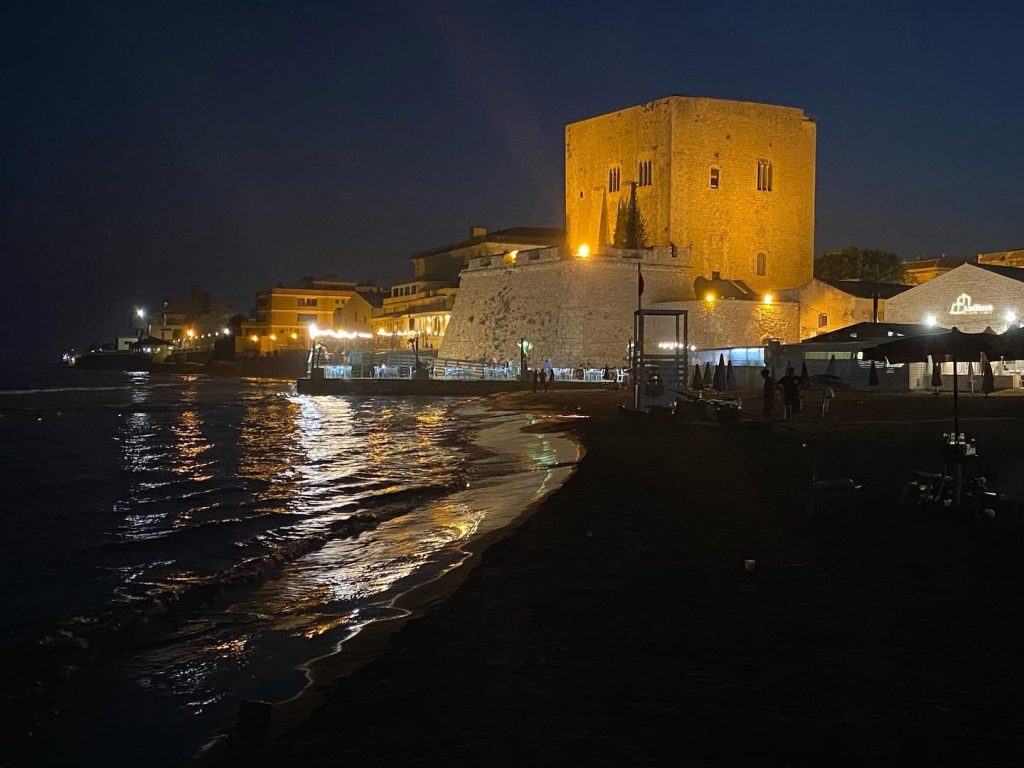
Pozzallo’s architecture is inseparable from its role as a working port. Unlike Sicily’s fortified hill towns, Pozzallo developed primarily through trade and maritime activity, resulting in a rational, open urban structure oriented towards the sea.
The Torre Cabrera (15th century) remains the town’s most significant historic structure, part of a wider coastal defensive system. Its robust stone construction and simple geometry contrast with the informal domestic architecture that surrounds it. Pozzallo offers a quieter architectural lesson: how infrastructure, logistics and everyday buildings can define the identity of a place just as strongly as monumental works.
Modica: Baroque Cities and Vertical Urbanism
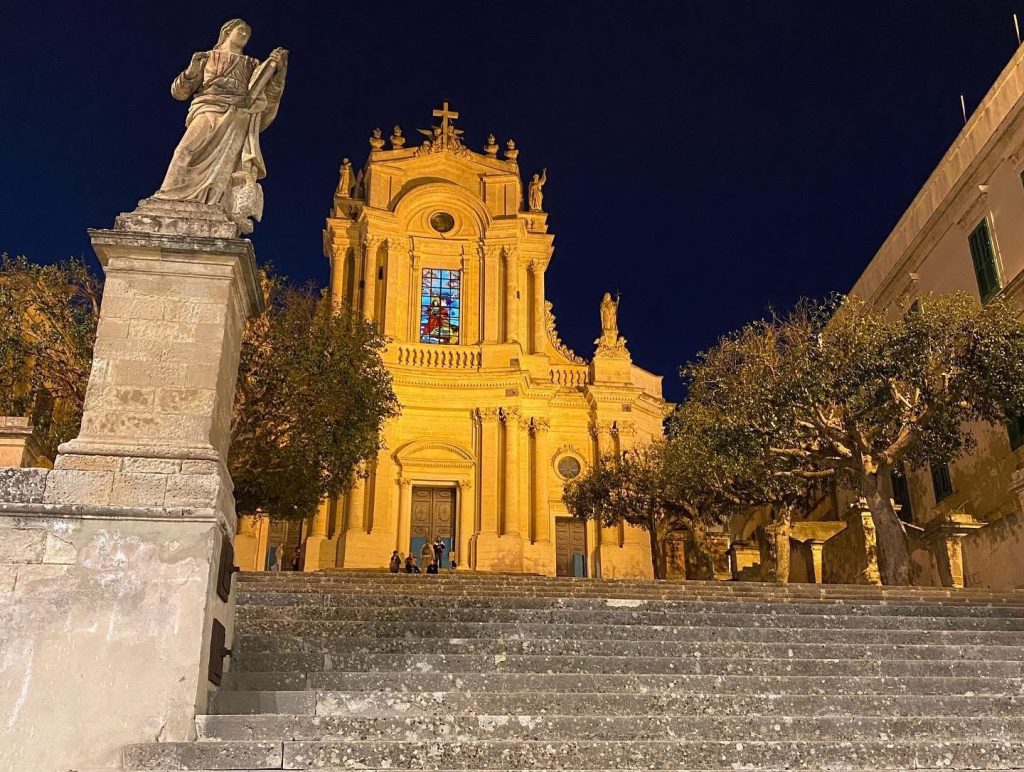
Inland from Pozzallo lies Modica, one of Sicily’s most dramatic examples of Baroque reconstruction following the earthquake of 1693. Built along a steep ravine, Modica is a city shaped by gravity and constraint. Architecture here is deeply intertwined with the terrain.
Churches such as San Giorgio and San Pietro dominate the skyline, their sculptural façades rising from a dense, stratified urban fabric. Staircases, terraces and narrow streets create a highly vertical experience, offering constantly shifting perspectives. Modica demonstrates how Baroque architecture in Sicily was not only ornamental but also urban, responding inventively to complex topography.
Ragusa Ibla: Urban Composition and Theatrical Space
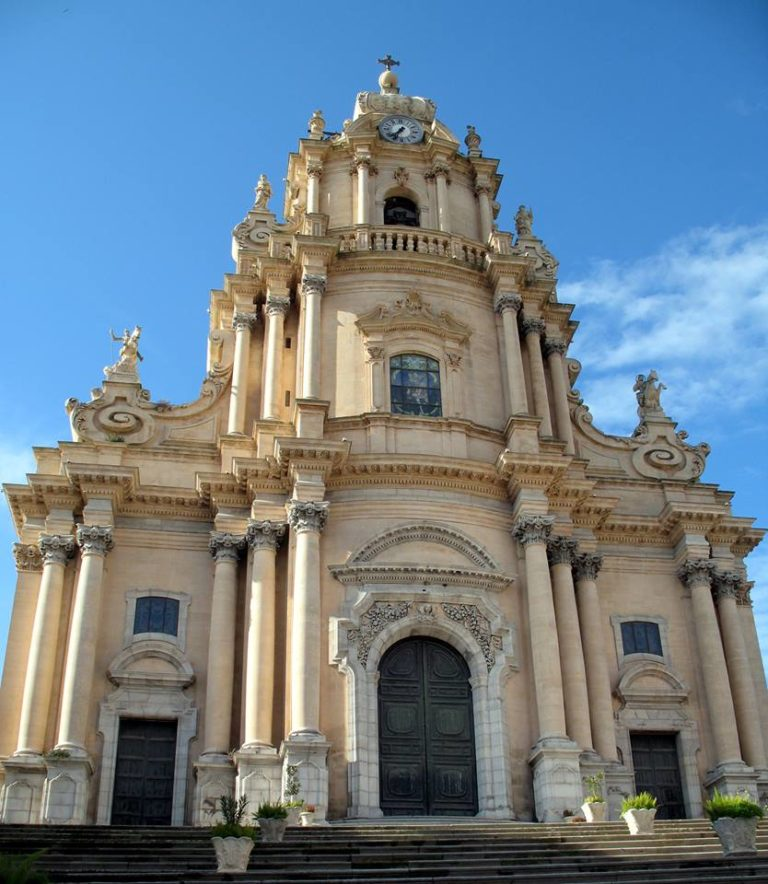
Ragusa Ibla, a UNESCO World Heritage Site, is arguably the most refined architectural destination in the province. Rebuilt after 1693, Ibla represents an extraordinary exercise in urban composition.
Its Baroque churches, including San Giorgio and Santa Maria dell’Itria, are carefully positioned to terminate views and structure public space. Streets curve gently, revealing façades gradually rather than all at once. The result is a city that feels choreographed, where architecture and movement are closely linked. For architects, Ragusa Ibla offers insight into how urban design can be both monumental and human in scale.
Scicli: Baroque Set Within the Landscape
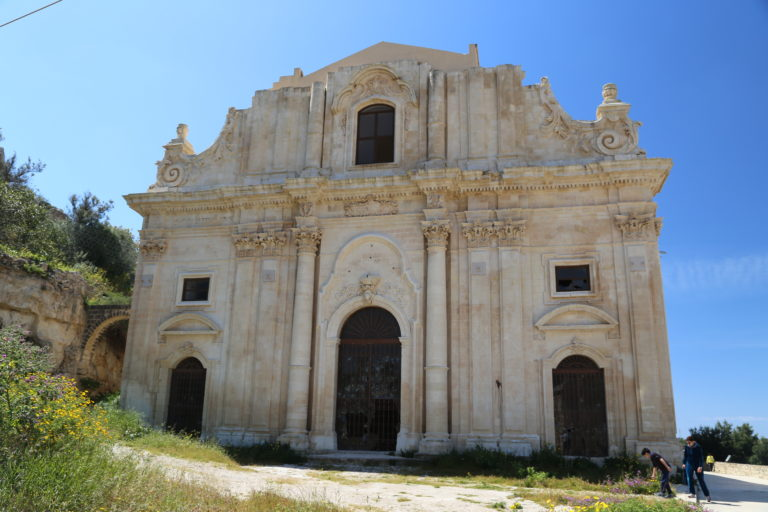
Scicli sits at the intersection of three valleys, creating a striking dialogue between architecture and natural landscape. Less visited than Modica or Ragusa, it offers a more intimate experience of Sicilian Baroque.
Buildings such as Palazzo Beneventano demonstrate a highly expressive architectural language, with elaborate stone carving and rhythmic façades. The town’s relationship to its surrounding cliffs and caves adds another layer of architectural interest, highlighting how settlements have adapted to geological conditions over centuries.
Ortigia, Siracusa: Architecture as Palimpsest
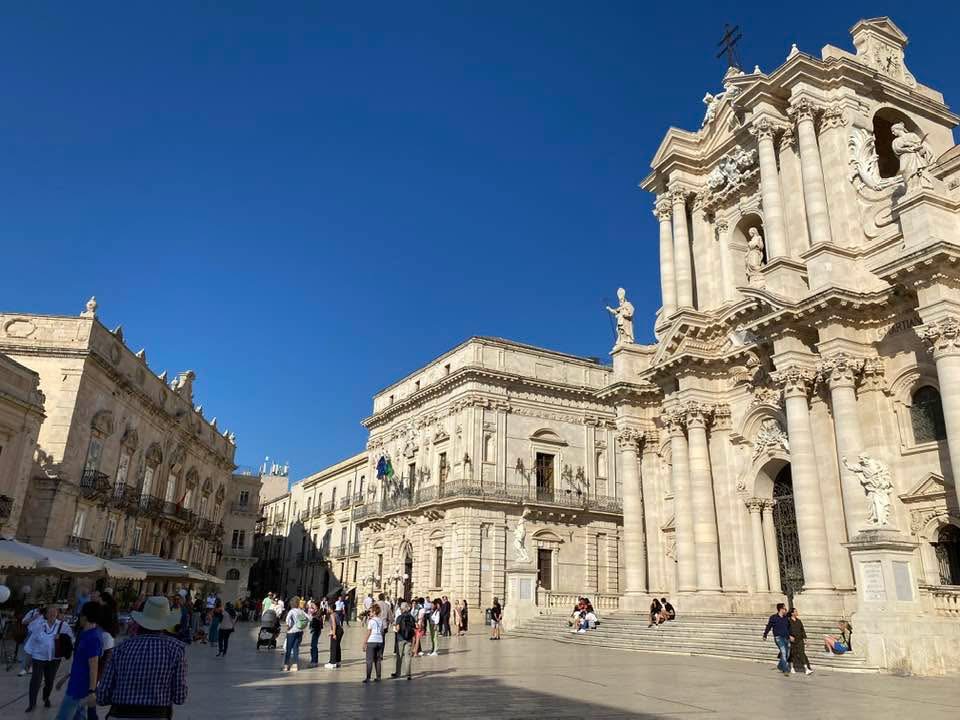
Siracusa, with its baroque streets and coastal charm, is famous not only for its architecture but also as the backdrop for the beloved Inspector Montalbano series. The city’s winding alleys and historic piazzas come alive on screen, offering a cinematic lens through which to appreciate its timeless urban beauty. Ortigia, the historic core of Siracusa, offers a powerful contrast to the Baroque cities of the Val di Noto. Here, architecture is layered rather than unified, revealing over two millennia of occupation.
The Cathedral of Siracusa, built around an ancient Greek temple, exemplifies adaptive reuse at its most profound. Throughout Ortigia, medieval streets, Baroque palazzi and ancient ruins coexist within a dense, walkable fabric. Light, shadow and proximity to water play a central role in shaping spatial experience, making Ortigia a masterclass in urban atmosphere.
Architecture Rooted in Place
From Pozzallo’s working port to the hill-built cities of Modica and Ragusa, from Scicli’s valley setting to Ortigia’s layered urbanism, south-eastern Sicily presents architecture as a direct response to place.
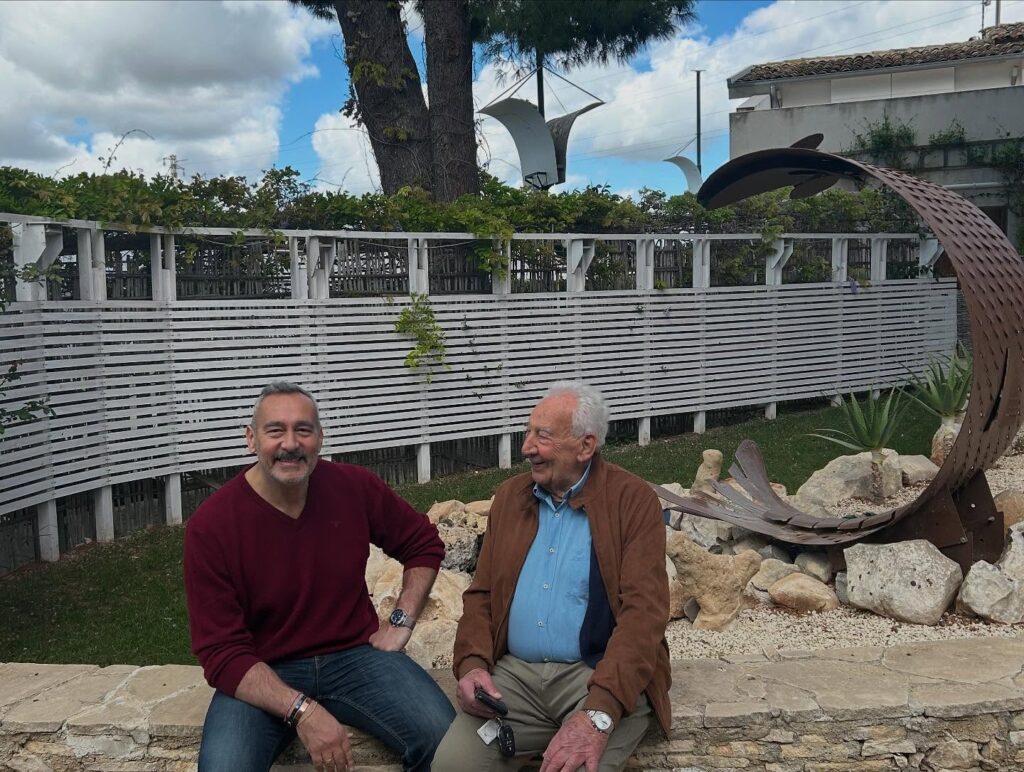
For ACA, this landscape is deeply personal. Growing up in Pozzallo, Sicily’s architecture formed the backdrop to Alex’s early understanding of space, material and light. The limestone cities, the relationship between buildings and terrain and the way history remains embedded in everyday life were not abstract references, but lived experiences. This environment played a foundational role in shaping his passion for architecture. An interest rooted not in isolated objects, but in how buildings belong to their landscape and evolve over time. Sicily reminds us that architecture is inseparable from origin, memory and identity, a lesson that continues to inform how we think about and practice architecture today.
Keep up to date with ACA News!
Related Resources
– An Extraordinary Journey Through Architecture and Its Styles
– Top 10 UK Architectural Places to Visit Over Christmas and New Year!
– Valencia Through an Architect’s Lens: Our Top 5 Unforgettable Family Moments with ACA!
– Delightful Dublin Moments Through an Architect’s Daughter’s Eyes