
Architecture is more than the creation of buildings, it is a reflection of society, technology, culture and the human imagination at any given moment in history. From ancient temples to contemporary smart homes, architectural styles tell a story about who we are and how we live. For today’s designers, understanding this evolution offers valuable insight and inspiration. Below, we explore some of the most influential architectural styles that have shaped the built environment over the years.
Classical Architecture: The Birth of Order and Proportion

Emerging from ancient Greece and Rome, classical architecture laid the foundation for centuries of design. Defined by symmetry, columns and strict proportional systems, classical structures such as the Parthenon and the Pantheon emphasized harmony and human scale. These design principles continue to influence modern public buildings, memorials and academic institutions.
Gothic Architecture: Reaching for the Heavens
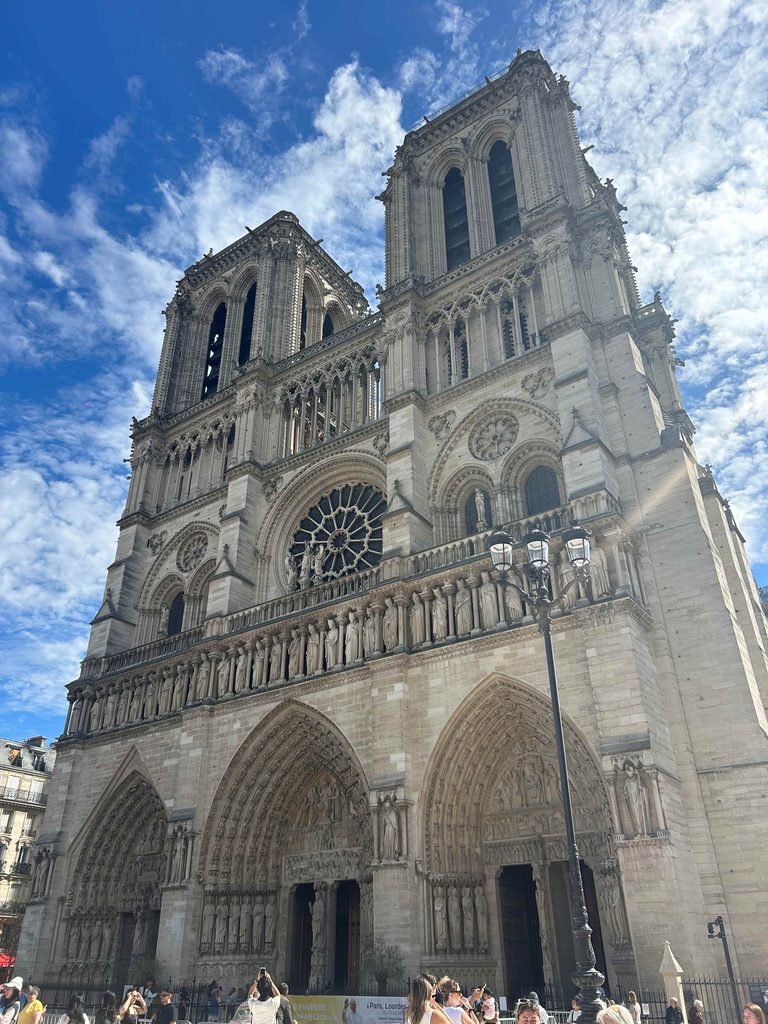
Flourishing in Europe during the High Middle Ages, Gothic architecture expressed spiritual aspiration through verticality and light. Pointed arches, ribbed vaults and flying buttresses enabled dramatic heights and expansive stained-glass windows. Iconic cathedrals like Notre-Dame remain remarkable feats of engineering and craftsmanship.
Renaissance Architecture: A Return to Humanism
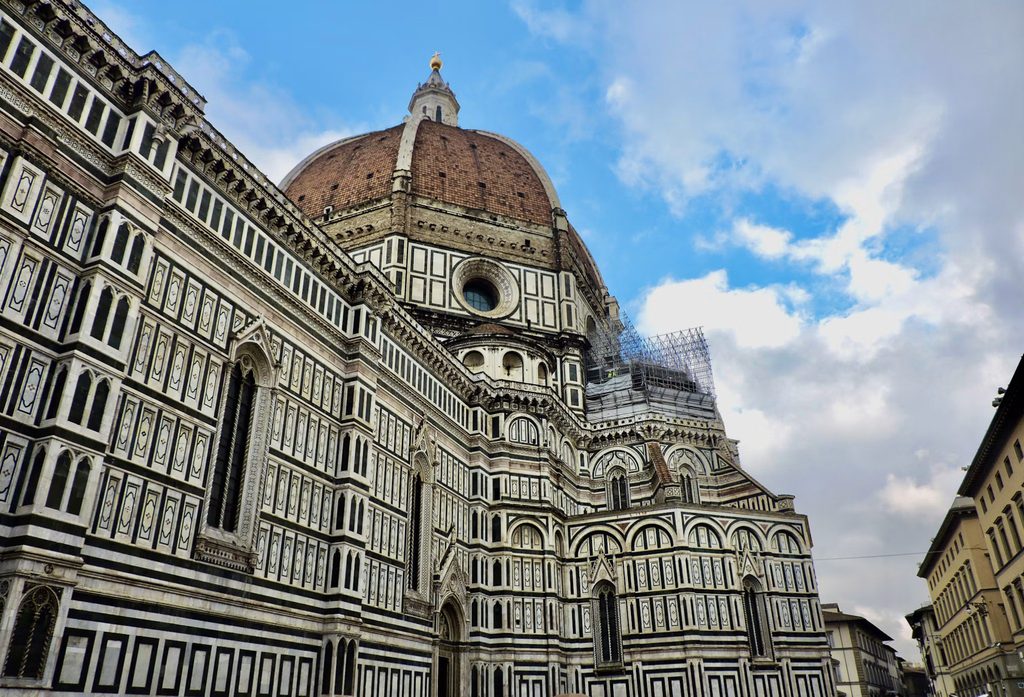
The Renaissance revived classical ideas while introducing innovation. Architects such as Brunelleschi and Palladio emphasized balance, geometry and the ideal human form. With domes, harmonious façades and orderly spatial organization, Renaissance architecture marked a shift toward rationality and the rediscovery of ancient knowledge.
Baroque and Rococo: Movement and Ornamentation

The Baroque period embraced emotion, grandeur, and movement. Curving forms, dramatic lighting and elaborate decoration created immersive architectural experiences. Rococo followed with lighter, more playful ornamentation, particularly in interior design. Together, these styles reflected the power of absolute monarchies and the era’s artistic extravagance.
Neoclassicism: A Return to Restraint

In the 18th and early 19th centuries, architects responded to Baroque excess with the clean lines of neoclassicism. Influenced again by Greek and Roman ideals, this style emphasized clarity, simplicity and moral virtue. Its legacy can still be seen in civic buildings, museums and governmental structures around the world.
Modernism: A New Vision for a New Age
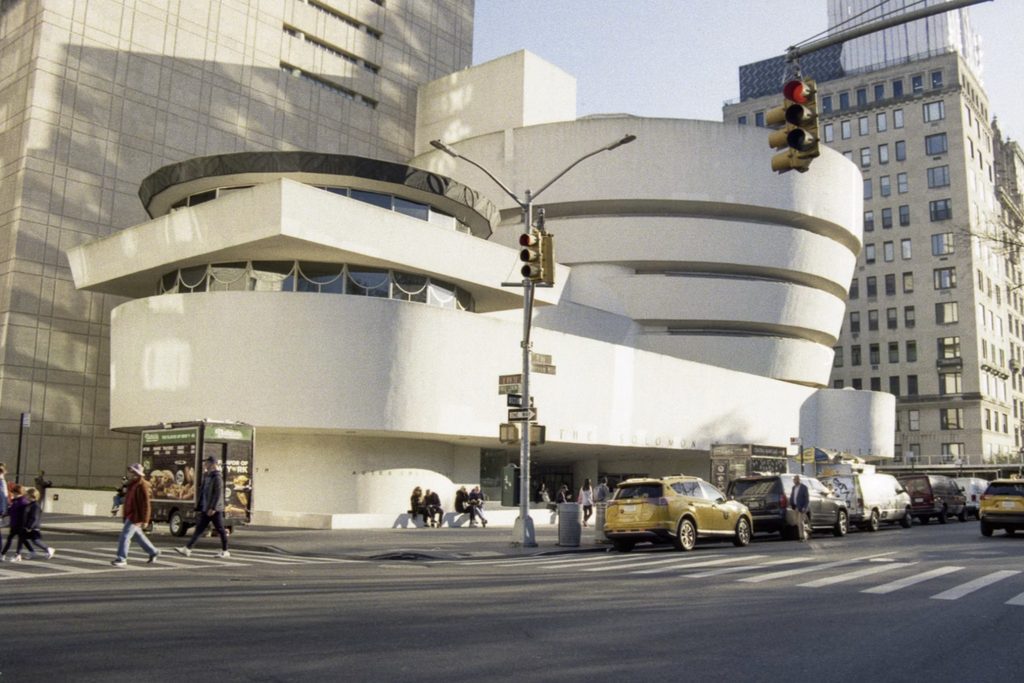
With the Industrial Revolution came new materials and technologies: steel, concrete, and mass production. Modernist architects such as Le Corbusier, Mies van der Rohe, and Walter Gropius rejected ornament in favour of functionality, efficiency and minimalism. Buildings became machines for living, defined by open floor plans, flat roofs and extensive glazing.
Postmodernism: Complexity and Contradiction
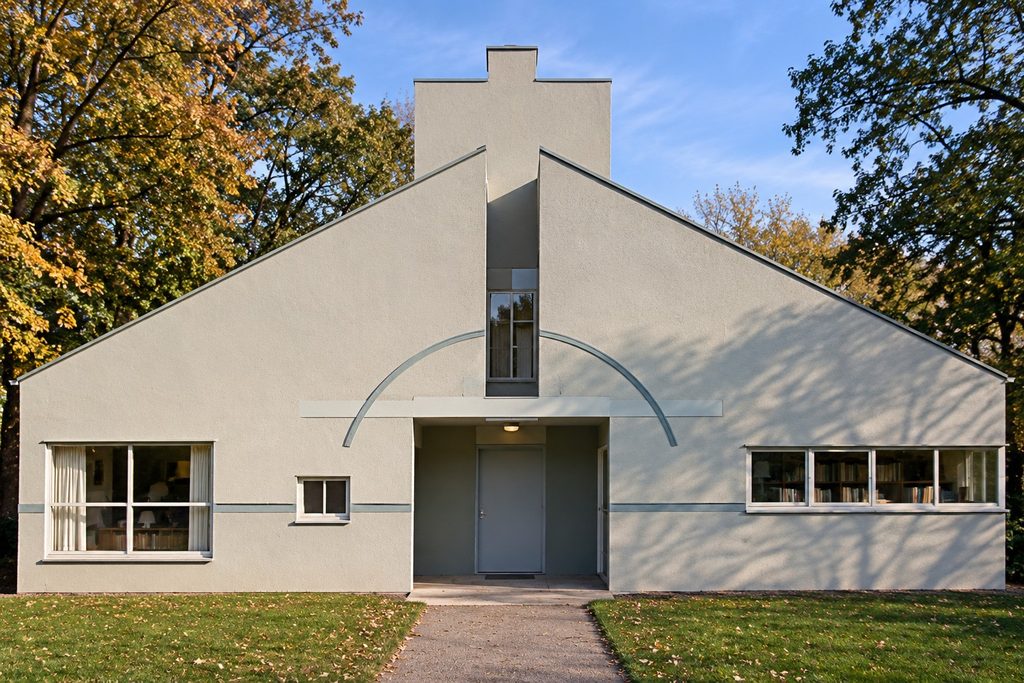
By the late 20th century, some architects found modernism too rigid. Postmodernism embraced colour, eclectic references, and playful forms. Buildings like Michael Graves’s Portland Building or Venturi’s Vanna Venturi House celebrated irony, historical mashups and personality, challenging the idea that architecture should be purely functional.
Contemporary Architecture: Technology Meets Sustainability
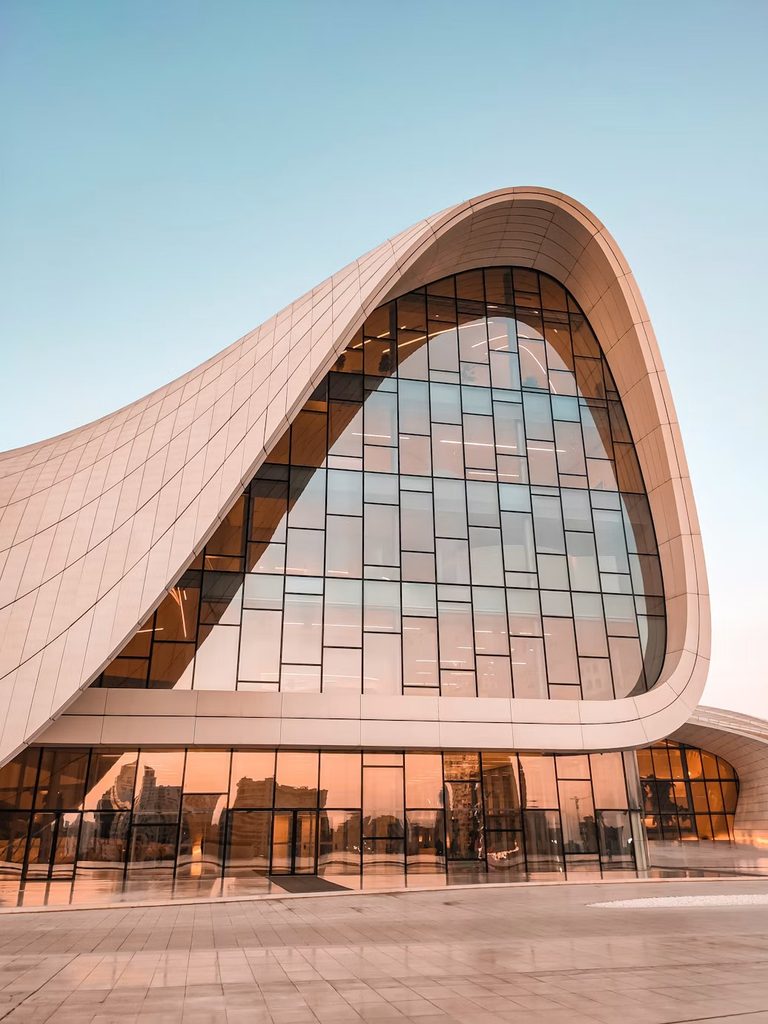
Today’s architectural landscape is more diverse than ever. Parametric design enables fluid, organic forms; smart technologies enhance building performance and sustainability has become a guiding principle. From timber skyscrapers to net-zero homes, contemporary architects focus on resilience, adaptability and connection to the environment.
Quantum Architecture: Exploring Design Through Consciousness and Connection
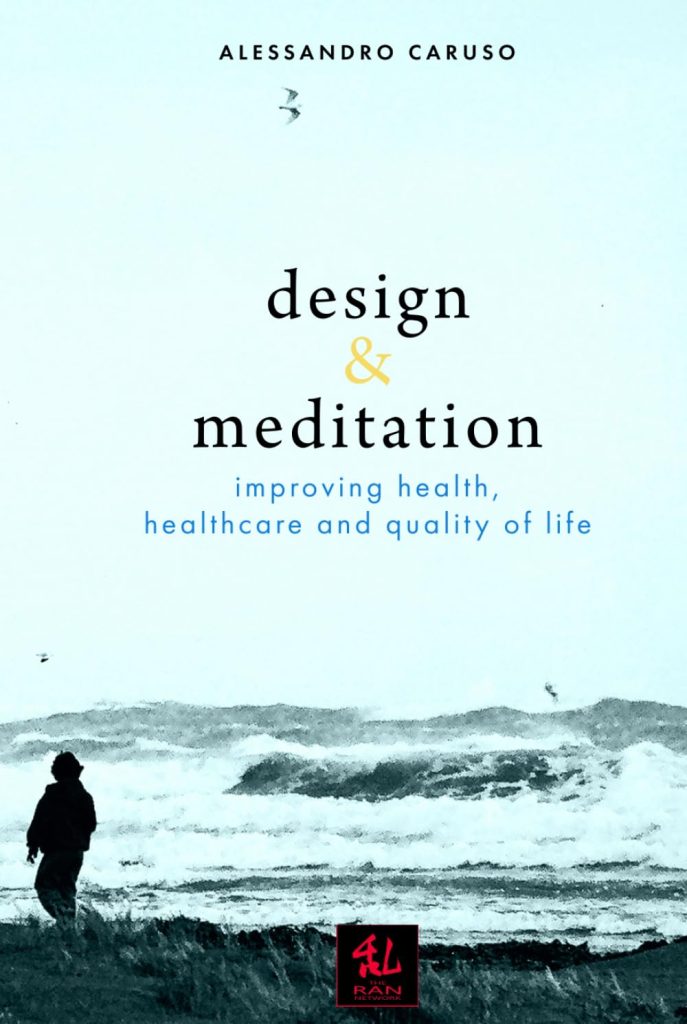
In recent years, architectural thinking has expanded beyond materials, structure and form to include deeper questions about perception, awareness and the human experience of space. At ACA, this exploration has been shaped in part by the work of our co-director, Alex, whose concept of Quantum Architecture offers a fresh lens for understanding how spaces influence, and are influenced by, the people who inhabit them.
Alex first introduced this thinking in his book Design and Meditation, where he outlines the idea that architecture is not simply a physical environment, but a field of interactions. Borrowing inspiration from principles in quantum theory, he proposes that spaces can be designed to support clarity, presence and emotional resonance, much like meditation supports mental focus and well-being.
Quantum Architecture suggests that a building is not just a static object; it is a dynamic relationship between material, light, human intention and the subtle patterns of experience. Rather than treating design as a linear process, the framework encourages architects to consider multi-layered possibilities, intuitive responses and the ways occupants shape a space simply by being in it.
Alex’s work has influenced ACA’s approach to design research and concept development, inspiring projects that prioritize atmosphere, sensory balance and the unseen qualities that make a place feel meaningful. Quantum Architecture offers a compelling bridge between the measurable and the intangible.
Key Architectural Styles at a Glance:
| Style | Defining Characteristics |
|---|---|
| Classical | Symmetry, columns, proportion |
| Gothic | Verticality, stained glass, pointed arches |
| Renaissance | Balance, geometry, domes |
| Baroque | Drama, movement, ornament |
| Neoclassical | Simplicity, order |
| Modernism | Minimalism, function |
| Postmodernism | Colour, eclecticism |
| Contemporary | Sustainability, technology |
| Quantum Architecture | Human experience, consciousness, wellbeing |
Looking Forward: Designing the Future by Understanding the Past
Each architectural style represents a moment in history, but also a stepping stone to what comes next.
At ACA, we believe that understanding architecture’s evolution empowers us to create spaces that honour tradition while embracing the future. Whether restoring heritage buildings or developing cutting-edge contemporary designs, the story of architecture continues, and we’re proud to be part of its next chapter.
Keep up to date with ACA News!
Frequently Asked Questions
What is Quantum Architecture?
Quantum Architecture is a design philosophy developed by ACA Co-Director Alex Caruso that explores the relationship between people, space and human experience. Drawing inspiration from concepts within quantum theory and mindfulness, it encourages architects to consider how light, atmosphere, perception and human interaction influence the way spaces are experienced. Rather than replacing traditional architectural principles, Quantum Architecture provides an additional way of thinking about how buildings can support wellbeing, clarity and meaningful human connection.
What is ACA’s design philosophy?
At ACA we believe architecture should improve people’s everyday lives. Our philosophy has not only been shaped by decades of professional experience but also by first-hand experience of how poorly designed environments can affect comfort, wellbeing and recovery which has reinforced our belief that great architecture should always be designed around the needs of the people who use it. By combining technical expertise with thoughtful design, we create buildings that are functional, sustainable and genuinely enhance quality of life.
How architecture influence wellbeing?
Well-designed spaces can reduce stress, encourage social interaction, improve comfort and create healthier environments through thoughtful planning as the design of a building can have a significant impact on how people feel and interact with their surroundings. From the outset, by considering wellbeing, architects can create buildings that positively influence everyday life.
What is wellbeing architecture?
Wellbeing architecture is an approach to design that places people’s physical, mental and emotional wellbeing at the centre of every design decision. It considers factors such as natural light, acoustics, ventilation, accessibility, materials and connections with nature influence the comfort, health and experience of those using a building rather than focusing solely on appearance or functionality.
What makes ACA different?
ACA combines creative thinking with technical expertise and a strong focus on wellbeing, sustainability and practical delivery. We always apply professional judgement, experience and collaboration to ensure every project is buildable, compliant and designed around the people who use it whilst embracing innovative tools, including artificial intelligence where appropriate.
Related Resources
– Patient Anxiety: The Powerful Role of Thoughtful Architecture
– 10 Common Myths Explained: The Powerful Truth About Architects
– Smarter Drawings, Stronger Buildings: The Essential Power of Architectural Detail