
Visiting a healthcare facility can be an anxious experience. Whether attending a routine appointment, awaiting test results or receiving treatment, many patients arrive with feelings of anxiety, uncertainty or stress before they even meet a healthcare professional.
While clinical care remains at the heart of every healthcare environment, the design of the building itself also plays a significant role in shaping how people feel. Thoughtful healthcare architecture can help reduce anxiety, improve comfort and create spaces that support both physical and emotional wellbeing.
At ACA, we believe that good design should do more than accommodate healthcare services, it should actively contribute to better patient experiences.
Why the Built Environment Matters
Research has consistently shown that our surroundings influence our mental wellbeing. In healthcare settings, elements such as natural light, spatial layout, acoustics and materials can affect stress levels, mood and even perceptions of waiting times.
An environment that feels confusing, clinical or overcrowded can heighten feelings of anxiety. By contrast, buildings that are welcoming, intuitive and filled with natural light help patients feel more at ease from the moment they arrive.
This principle forms part of evidence-based healthcare design, where architectural decisions are informed by research into how the built environment impacts health and wellbeing.
Five Ways Architecture Can Reduce Patient Anxiety
1. Creating Welcoming First Impressions
The patient journey begins long before entering a consultation room.
Clear entrances, welcoming reception areas and intuitive circulation help visitors navigate unfamiliar environments with confidence. Removing uncertainty through thoughtful wayfinding reduces one of the most common causes of anxiety in healthcare buildings.
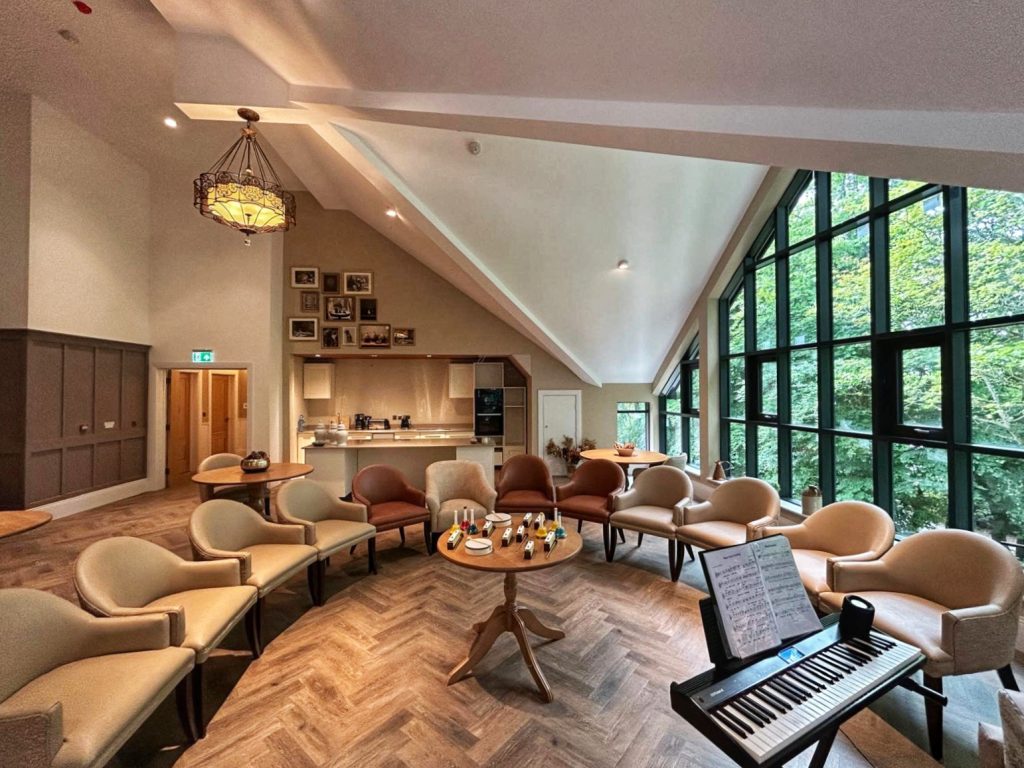
Simple layouts, clear sightlines and accessible routes can make a significant difference, particularly for first-time visitors or those with mobility needs.
2. Maximising Natural Light
Access to daylight has been linked to improved mood, reduced stress and enhanced wellbeing.
Large windows, glazed atriums and carefully positioned openings can introduce natural light deep into a building, creating brighter, more uplifting spaces that feel less institutional.
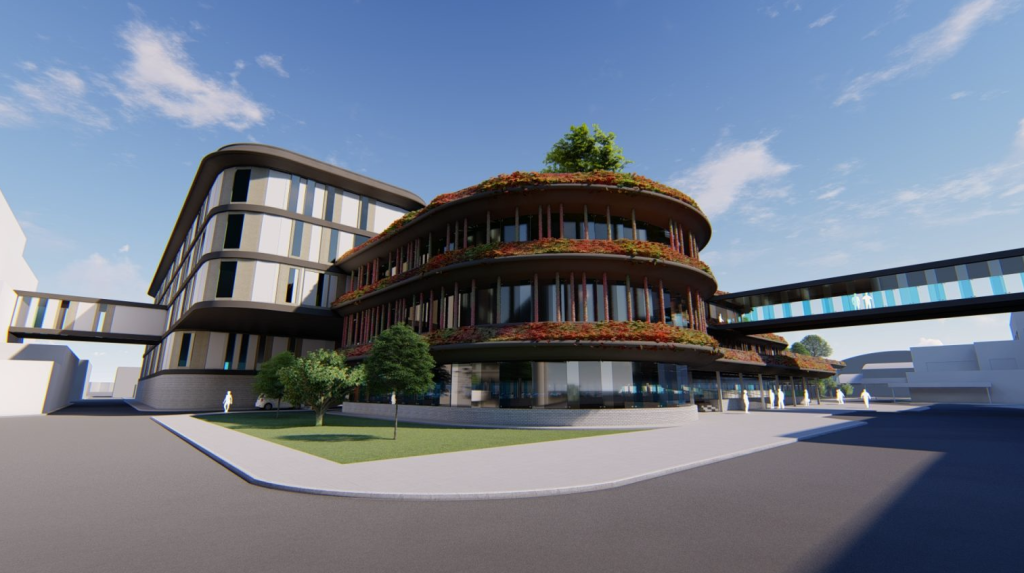
Natural light also helps strengthen a patient’s connection with the outside world, making healthcare environments feel more comfortable and less intimidating.
3. Designing Spaces That Feel Calm
Volume and proportion influence how people experience a space.
A thoughtful example of this approach can be seen in ACA’s design of the Allam Diabetes Centre situated at Hull Royal Infirmary. Rather than immediately revealing the full height of the building upon arrival, patients first enter beneath a lower ceiling. As they continue through the entrance sequence, the ceiling gradually rises until it reaches the full height of the building.

This carefully considered progression creates a subtle but powerful psychological effect lowering levels of anxiety. The lower ceiling at the entrance provides a sense of comfort and enclosure, helping patients feel secure as they enter an unfamiliar environment. As they move further into the building, the ceiling slowly opens up, allowing the space to feel increasingly light, spacious and uplifting without creating an abrupt change in scale.
It demonstrates how thoughtful spatial design can influence emotional responses without patients consciously recognising why a building feels comfortable.
4. Strengthening the Connection with Nature
Biophilic design continues to play an increasingly important role in healthcare architecture.
Views of planting, landscaped courtyards, gardens and natural materials can all help reduce stress and promote a sense of calm. Even where direct access to outdoor spaces is limited, visual connections with nature have been shown to positively influence wellbeing.

By incorporating natural elements into healthcare environments, architects can create spaces that feel restorative rather than purely clinical.
5. Reducing Sensory Overload
Healthcare facilities are often busy environments filled with movement, noise and activity.
Careful planning can minimise sensory overload through improved acoustics, comfortable waiting areas, softer materials and the separation of quieter spaces from higher-traffic zones. This reduces another common cause of anxiety in a healthcare environment.
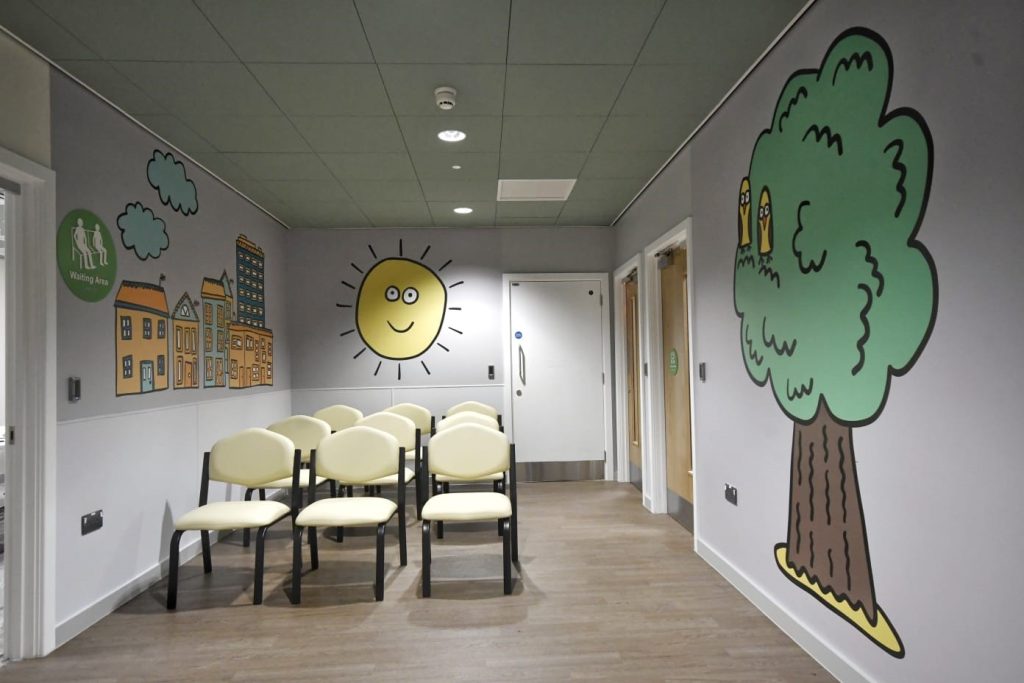
Reducing unnecessary visual and auditory distractions allows patients to feel more relaxed while waiting for appointments or treatment.
Designing Around the Patient Experience
Healthcare architecture is about much more than meeting technical standards or accommodating medical equipment.
Successful healthcare buildings place people at the centre of every design decision, considering how patients, visitors and healthcare professionals will experience the environment throughout their journey.
From arrival and wayfinding to lighting, scale and spatial flow, every detail contributes to creating buildings that support wellbeing, including anxiety reduction, alongside clinical excellence.
ACA’s Approach to Healthcare Design
At ACA, every healthcare project begins with understanding the people who will use it. We work closely with healthcare providers, clinicians and stakeholders to create environments that balance operational efficiency with compassionate, human-centred design.
Projects such as the Allam Diabetes Centre demonstrate how relatively subtle architectural decisions can have a meaningful impact on patient comfort. By carefully considering space, light and movement, healthcare buildings can help reduce anxiety and create more positive experiences for everyone who walks through the door.
As healthcare continues to evolve, architecture has an increasingly important role to play, not only in supporting better clinical outcomes but also in improving how people feel during some of life’s most challenging moments.
Keep up to date with ACA News!
Frequently Asked Questions
How can architecture help reduce patient anxiety?
By creating welcoming, easy-to-navigate environments with good acoustics, natural light, calming spaces and clear wayfinding, healthcare architecture can help to significantly reduce patient anxiety. Thoughtful design allows patients to feel more confident and comfortable from the moment they arrive.
What design features make healthcare environments feel less stressful?
A more positive, less stressful patient experience can be achieved by using features such as natural daylight, views of nature, comfortable waiting areas, intuitive layouts, clear signage, the use of calming materials and quieter spaces.
Why is natural light important in healthcare buildings?
Improved mood, reduced stress and enhanced wellbeing have all been associated with natural light. Therefore, in healthcare buildings, well-lit spaces can help patients feel calmer during appointments and treatment by contributing to a more welcoming and less institutionalised environment.
Why is wayfinding important in healthcare facilities?
A smoother patient journey can simply be created by helping patients and visitors navigate unfamiliar buildings with confidence with clear wayfinding. This reduces confusion, lowers anxiety and improves accessibility.
How does ACA approach healthcare design?
ACA is committed to human-centred design with the balance of operational efficiency. ACA creates buildings that support both healthcare professionals and the people they care for by considering factors such as natural light, spatial layout and wellbeing.
Related Resources
– 10 Common Myths Explained: The Powerful Truth About Architects
– Smarter Drawings, Stronger Buildings: The Essential Power of Architectural Detail
– AI vs Architect: Why Human Expertise Still Builds Better
– How to Get the Most Out of Working with an Architect for a Remarkable, High-Impact Result