
When starting a construction project, one of the first questions clients often ask is: should we appoint an architect or a contractor first? The answer is not always straightforward. There is no one-size-fits-all approach, as the best route depends on the type, scale and complexity of the project, as well as the client’s priorities.
What is important is that the project’s vision, budget and objectives are clearly established from the outset. Whether an architect or contractor is appointed first, bringing the right expertise into the project at the right time can help create a more coordinated and successful process.
Start with the vision
Before deciding who to appoint first, it is important to understand what the project is trying to achieve. This could be creating a new healthcare facility, extending an existing building, developing a commercial property or transforming an educational environment.
An architect can help clients explore the possibilities of a project, translating their aspirations into a clear design vision. They can consider how the building should look, feel and function, while also taking account of planning requirements, site constraints, regulations and the needs of its future users.
Establishing this vision early provides a strong foundation for the rest of the project and gives everyone involved a clear understanding of what they are working towards.
Architect first: developing the design and strategy
For many projects, particularly those where design, planning and technical requirements are significant, appointing an architect at an early stage can be beneficial.

An architect can help define the brief, assess the site, develop initial concepts and establish a realistic approach to the project. They can also provide advice on planning, regulations, procurement routes, programme and potential costs before construction begins.
This early involvement can give clients greater clarity before they commit to construction, helping them understand what is achievable within their budget and timeframe.
Contractor first: bringing construction expertise in early
There are also projects where involving a contractor at an early stage can provide significant value. Contractors bring practical knowledge of construction methods, materials, sequencing, availability and current market conditions.
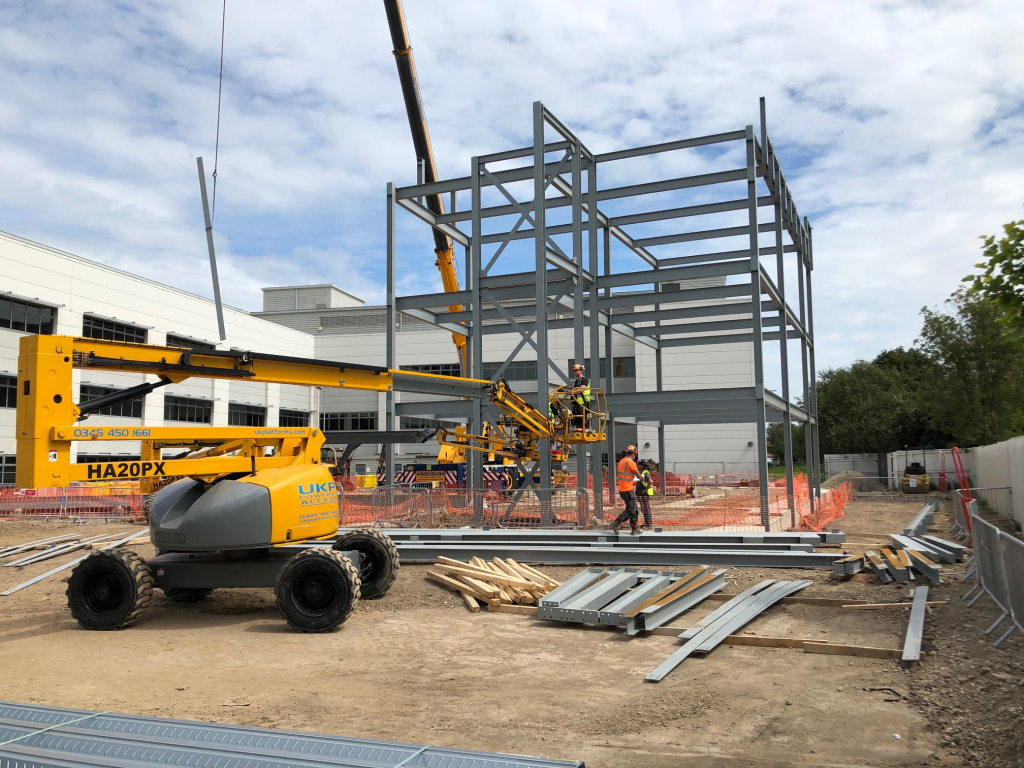
For some projects, early contractor involvement can help test whether a proposed design is practical and deliverable within the available budget. Their experience can identify potential construction challenges before they become costly problems.
However, this does not mean that the contractor replaces the role of the architect. Instead, the two roles can provide different but complementary areas of expertise.
The importance of the budget
One of the biggest factors influencing the decision is budget.
A strong design needs to be grounded in a realistic understanding of what the client can afford. Architects can help establish and develop the design around the available budget, while contractors can provide valuable insight into construction costs and buildability.
Rather than treating cost as something considered once the design is complete, it should be part of the conversation from the beginning. Early communication between the client, architect and contractor can help identify where investment will have the greatest impact and where costs may need to be controlled.
Collaboration is often the key
Ultimately, the question may not be as simple as deciding whether the architect or contractor should come first. In many successful projects, the most important factor is how effectively the different professionals work together.
Architects bring design, strategic and technical expertise, while contractors contribute practical construction knowledge and experience. When these perspectives are brought together at the right stage, potential issues can be identified earlier, decisions can be made more confidently and the project can remain focused on its original objectives.
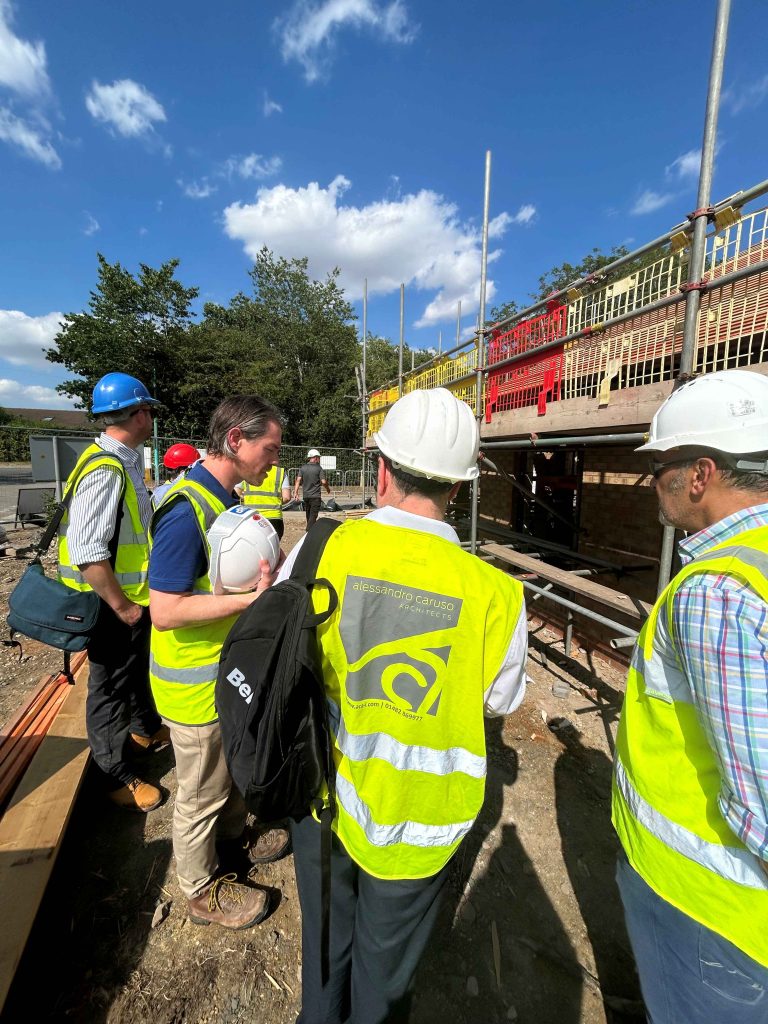
The exact point at which the contractor becomes involved will depend on the project’s procurement strategy. On some projects, the architect may develop the design before a contractor is appointed. On others, early contractor involvement may be deliberately built into the process.
So, who should be appointed first?
There is no universal answer. The architect does not always have to come first and neither does the contractor. The right approach depends on the project’s objectives, complexity, budget, procurement route and the level of expertise required at each stage.
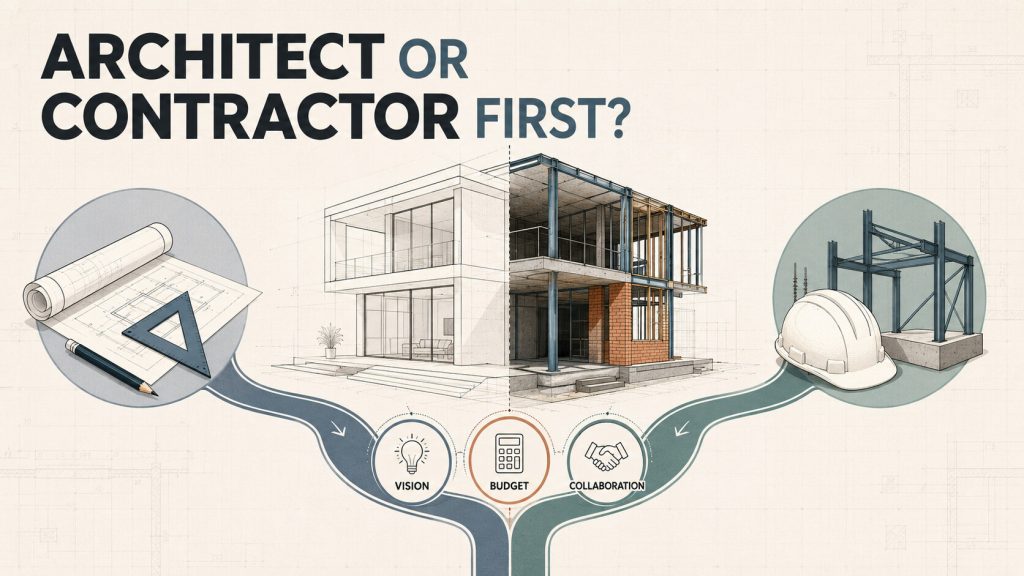
What matters most is that the project starts with a clearly defined vision and realistic budget, supported by the right professional advice. Whether the architect, contractor or both are brought into the process first, early communication and collaboration can help create a smoother journey from initial concept through to completion.
At ACA, collaboration with contractors is an important part of our approach. We recognise that bringing construction expertise into the conversation can add significant value to a project, helping to ensure that designs are practical, buildable and aligned with the client’s budget.
We work closely with contractors throughout the design and delivery process, including Helix CMS, their partners when working on the award-winning Scunthorpe Community Diagnostic Centre (CDC). Working collaboratively allows design intent and construction considerations to be discussed openly, helping to identify potential challenges early and find practical solutions.
This relationship between architect and contractor can be particularly valuable on complex projects, where successful delivery depends on close communication between everyone involved. By combining architectural expertise with practical construction knowledge, we can work together to deliver projects that meet the client’s vision while remaining realistic, efficient and commercially viable.
Keep up to date with ACA News!
Frequently Asked Questions
Can architects work with contractors?
Yes. Contractors and architects work closely throughout the design and construction process to help ensure projects are delivered as intended. As a team they clarify technical information, coordinate with consultants, respond to site queries and help resolve issues before they develop into more significant problems. Adopting this collaborative approach helps improve quality, reduce risk and keep projects progressing smoothly.
Why hire an architect?
An architect combines creativity, technical knowledge and practical experience to deliver buildings that are functional, compliant and tailored to the client’s needs. Architects coordinate consultants, manage technical information, navigate planning and Building Regulations and help reduce risks throughout the project even after the design is fully developed. With their expertise, ideas are transformed into Buildings that can be successfully delivered.
Why are site visits important during healthcare construction?
Site visits allow architects to monitor construction progress, as well as review the quality of workmanship and collaborate closely with contractors to resolve challenges before they become a larger issue. Regular site visits also help to ensure that the original design intent is maintained to support safe, efficient and patient-centred spaces from concept through to completion. They play an essential role in delivering successful healthcare projects.
What information to architects need to start?
A clear understanding of the client’s objectives, budget, timescale and aspirations is the beginning of every successful project. Architects also need to information about the site, including surveys, planning constraints, existing buildings and any known technical limitations. By gathering this information early, an architect can help create a well-informed design that is buildable, practical and aligned with the goals of the client.
What does an architect do during construction?
Long after the drawings have been completed, an architect’s role does not stop there. During construction architects complete site inspections, respond to technical queries, coordinate with consultants and contractors and help ensure the project is being delivered in accordance with the approved design. Architects help maintain quality, minimise risks and support successful project outcomes by remaining actively involved throughout the construction phase.
What types of projects does ACA work on?
While specialising in healthcare, ACA works across a wide range of sectors including education, community buildings, commercial developments, residential projects, care homes and workplace environments, with architectural services provided from feasibility through to project completion.
What makes ACA different?
ACA combines creative thinking with technical expertise and a strong focus on wellbeing, sustainability and practical delivery. We always apply professional judgement, experience and collaboration to ensure every project is buildable, compliant and designed around the people who use it whilst embracing innovative tools, including artificial intelligence where appropriate.
Related Resources
– Architect Insights: 10 Costly Mistakes to Avoid Before Starting Your Project
– How Site Visits Create Better Patient Environments: A Day in the Life of a Healthcare Architect
– Patient Anxiety: The Powerful Role of Thoughtful Architecture
– 10 Common Myths Explained: The Powerful Truth About Architects