
Architecture has the power to do far more than provide shelter or create visually impressive buildings. Every space we occupy influences how we think, feel and interact with the world around us. From reducing stress in healthcare settings to creating inspiring learning environments and welcoming community spaces, thoughtful design can have a lasting impact on our wellbeing.
At ACA, we believe great architecture should enhance people’s everyday lives. By placing wellbeing at the centre of the design process, we create environments that are not only functional and sustainable but also healthier, more inclusive and enjoyable to experience.
What Is Wellbeing Architecture?
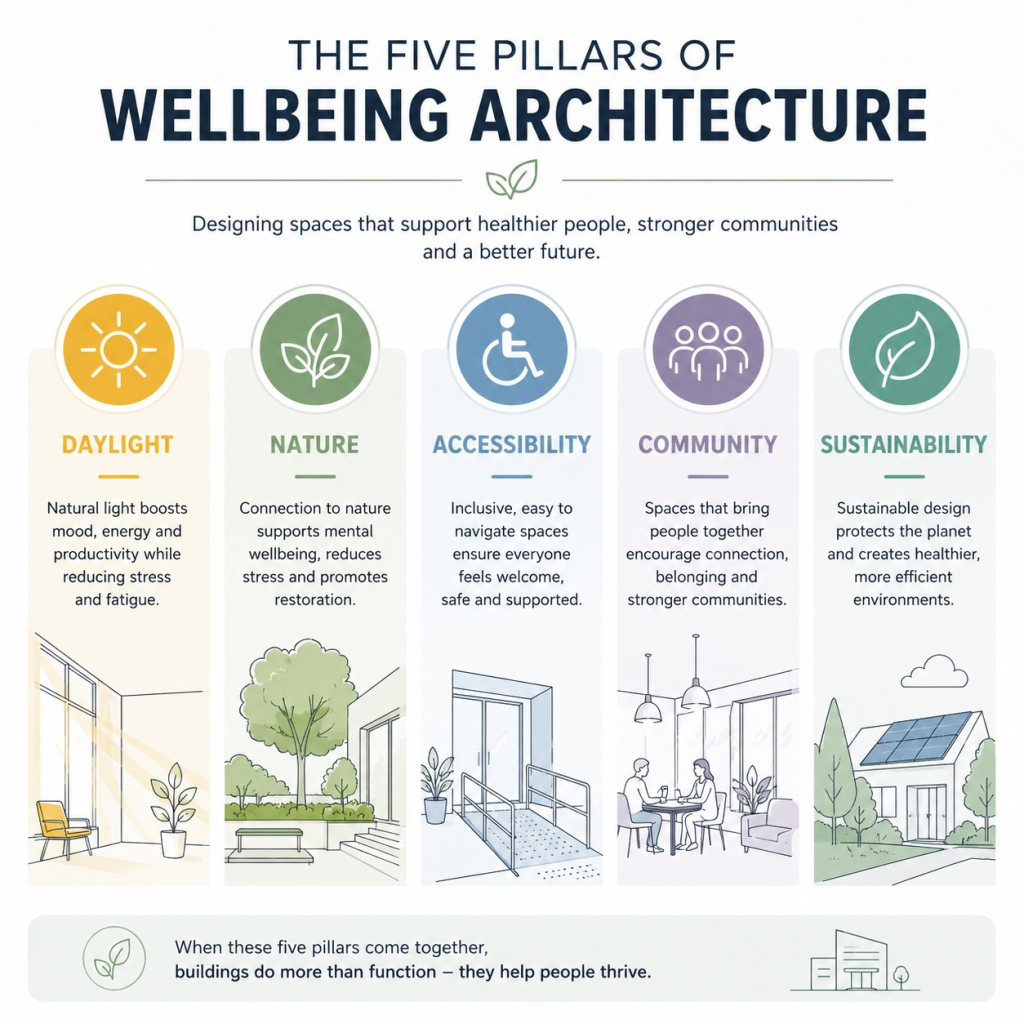
Wellbeing architecture is an approach to design that considers the physical, mental and social health of the people who use a building. Rather than focusing solely on appearance or functionality, it asks an important question:
How will this space make people feel?
The answer influences every stage of the design process. It means carefully considering factors such as:
– Access to natural daylight.
– Ventilation and indoor air quality.
– Connections to nature and outdoor spaces.
– Comfortable acoustics that reduce noise.
– Accessible, inclusive layouts.
– Safe, welcoming environments that encourage social interaction.
– Sustainable materials that contribute to healthier buildings.
When these elements work together, buildings become places that actively support wellbeing rather than simply accommodating daily activities.
Why Does Wellbeing Matter in Architecture?
The environments we spend time in can significantly influence our health and quality of life.
Research has shown that thoughtfully designed spaces can help to:
– Reduce stress and anxiety.
– Improve concentration and productivity.
– Support faster recovery in healthcare environments.
– Encourage physical activity and social connection.
– Create safer, more inclusive communities.
– Improve overall user satisfaction and comfort.
Whether someone is recovering in a healthcare facility, learning in a classroom or visiting a community hub, the surrounding environment plays an important role in shaping their experience.
How ACA Applies Wellbeing Architecture
At ACA, wellbeing is not treated as an additional design feature, it forms part of our overall design philosophy.
Every project begins with understanding how people will use the space, what challenges they face and how architecture can improve their experience.
Healthcare
Healthcare environments should help people feel calm, supported and reassured during what are often stressful moments.

ACA carefully considers elements such as intuitive layouts, natural light, privacy, accessibility and welcoming interiors to create spaces that support patients, visitors and healthcare professionals alike.
Thoughtful healthcare design can contribute to reducing stress while creating more efficient environments for those delivering care.
Education
Learning environments have a direct impact on engagement, wellbeing and educational outcomes.
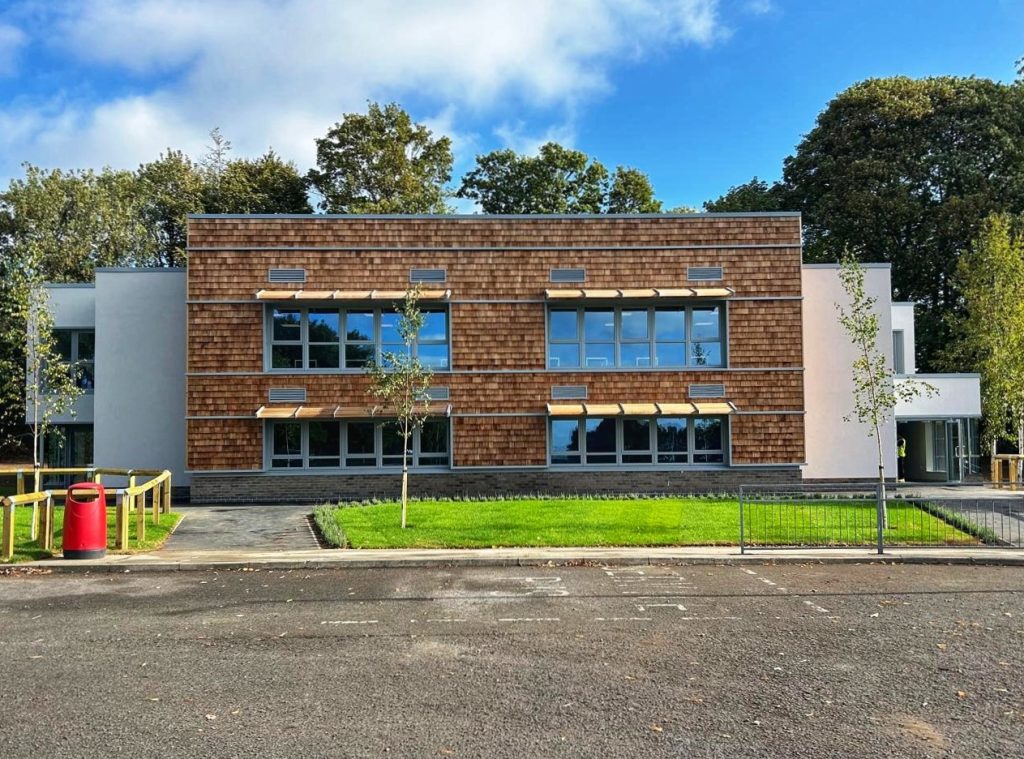
By designing flexible, light-filled spaces that encourage collaboration, creativity and inclusivity, ACA helps create schools and educational facilities where both students and staff can thrive.
Simple design decisions, such as improving daylight, creating quiet breakout areas or strengthening connections with outdoor learning spaces, can make a meaningful difference to everyday learning experiences.
Community Projects
Community buildings bring people together, making inclusivity and accessibility essential.

Whether designing community centres, public buildings or charitable facilities, ACA focuses on creating welcoming environments that are easy to navigate, comfortable to use and capable of adapting to changing community needs.
Spaces that encourage interaction and foster a sense of belonging can help strengthen communities for years to come.
Wellbeing Through Sustainable Design
Wellbeing architecture and sustainable architecture naturally go hand in hand. The UK Green Building Council highlights how healthier buildings can improve both environmental performance and the wellbeing of those who use them.
Energy-efficient buildings with good ventilation, high-performing insulation and responsible material choices benefit both the environment and the people using them.
ACA considers sustainability alongside wellbeing from the earliest design stages, helping clients create buildings that are healthier, more resilient and designed for long-term performance.
The Benefits of Designing for Wellbeing
Prioritising wellbeing in architecture delivers measurable benefits that extend beyond aesthetics.
These include:
– Lower stress levels for building users.
– Improved patient recovery experiences within healthcare settings.
– Better learning environments for students and educators.
– Increased accessibility and inclusion.
– More welcoming public spaces that encourage community engagement.
– Healthier, more comfortable workplaces and public buildings.
– Long-term value through sustainable, people-focused design.
By considering the needs of both people and place, wellbeing architecture creates environments that continue to deliver positive outcomes long after construction is complete.
Bringing Wellbeing into Every Project
No two projects are the same, but every building should positively influence the lives of the people who use it.
At ACA, we believe successful architecture balances creativity with practicality, sustainability with performance and aesthetics with human experience. Whether delivering healthcare, education or community projects, our aim is always to design places that support wellbeing and create lasting value.
As the role of architecture continues to evolve, designing for wellbeing is becoming less of a trend and more of a responsibility. By putting people at the heart of every project, we can create buildings that don’t simply look good, they genuinely improve the way we live, learn, work and connect with one another.
Keep up to date with ACA News!
Frequently Asked Questions
What is wellbeing architecture?
Wellbeing architecture is an approach to design that places people’s physical, mental and emotional wellbeing at the centre of every design decision. It considers factors such as natural light, acoustics, ventilation, accessibility, materials and connections with nature influence the comfort, health and experience of those using a building rather than focusing solely on appearance or functionality.
How does architecture influence wellbeing?
Well-designed spaces can reduce stress, encourage social interaction, improve comfort and create healthier environments through thoughtful planning as the design of a building can have a significant impact on how people feel and interact with their surroundings. From the outset, by considering wellbeing, architects can create buildings that positively influence everyday life.
What makes buildings healthier?
Features in healthier buildings are designed to support both physical and mental wellbeing, such as generous levels of natural light, good indoor air quality, effective acoustics and opportunities to connect with nature. These features help create environments where people can live, work, learn and receive care more comfortably.
What is biophilic design?
It is an approach within a built environment that strengthens the connection between people and nature. Biophilic design is achieved by including features such as incorporating planting, natural materials, views of green spaces, daylight and outdoor areas into buildings. Research suggests that this can help reduce stress, improve wellbeing and create more restorative environments.
Why is daylight important?
Improved mood, reduced stress and enhanced wellbeing have all been associated with natural light. Therefore, in healthcare buildings, well-lit spaces can help patients feel calmer during appointments and treatment by contributing to a more welcoming and less institutionalised environment.
How does ACA incorporate wellbeing into its designs?
ACA places wellbeing at the heart of every project by carefully considering how people experience buildings throughout their daily lives. We focus on creating spaces that are welcoming, accessible, naturally lit and adaptable to help improve comfort, wellbeing and long-term value whether designing healthcare facilities, schools, workplaces or community buildings.
Related Resources
– Patient Anxiety: The Powerful Role of Thoughtful Architecture
– Smarter Drawings, Stronger Buildings: The Essential Power of Architectural Detail
– Planning Permission vs. Building Regulations: for a Smooth, Successful Build
– 6 Eye-Opening Lessons I’ve Learnt Being Married to an Architect – by Amelia Caruso.